


When it comes to elevating the interior design of a residence, few materials offer the blend of resilience and sophistication found in engineered stone. While granite and marble have long been the traditional staples of luxury design, quartz countertops have risen to prominence, becoming the preferred choice for forward-thinking homeowners and interior designers. Known for their non-porous nature and incredible strength, quartz surfaces are no longer just a practical solution; they are a central element of modern decor for home improvement.
For many, the mention of quartz immediately conjures images of pristine workspaces. However, the versatility of this material extends far beyond standard applications. Its engineered consistency allows for creative installations that natural stone often cannot support without significant risk of breakage or staining. Whether you are renovating a historic property or designing a contemporary new build, understanding the full potential of this material can unlock new dimensions in your living space.
In this guide, we will explore five creative and sophisticated ways to integrate quartz into your home. From dramatic architectural statements to functional additions for your kitchen, these ideas will inspire you to rethink how you use this versatile material to enhance your overall decor for home styling.
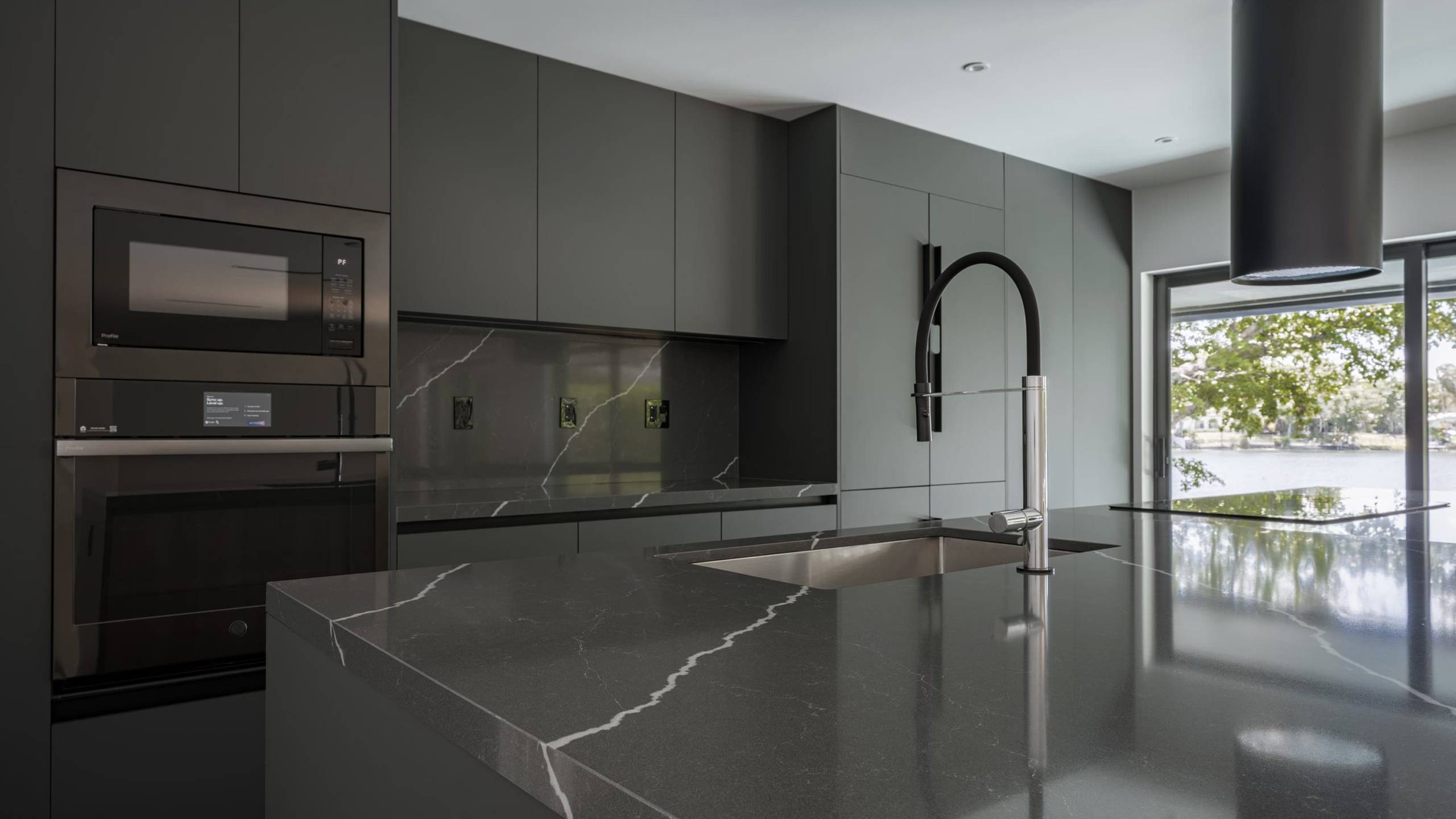
Quartz Countertop
1. The Ultimate Kitchen Island: The Waterfall Edge
The kitchen is often referred to as the heart of the home, and the kitchen island is its anchor. If you are looking for a centerpiece for your kitchen, the standard flat slab sitting on top of cabinetry is no longer the only option. To create a truly stunning visual impact, the “waterfall edge” has become a hallmark of high-end modern design.
Creating a Seamless Visual Flow
A waterfall edge involves extending the quartz countertops material vertically down the sides of the island to the floor. This creates a continuous flow of the stone, turning the island into a monolithic sculpture rather than just a piece of furniture. One of the distinct advantages of quartz is the manufacturing process, which allows for a vast array of colors and patterns. Because of this, the veins can be matched with high precision, ensuring they flow seamlessly from the horizontal surface over the edge and down the vertical panel.
This design technique is particularly effective in open-concept homes where the kitchen is visible from the living or dining areas. The side panel of the island becomes a piece of art, showcasing the beauty and elegance of the quartz without the visual interruption of cabinet sides or hardware. It creates a clean, minimalist look that anchors the room.
Durability in High-Traffic Zones
Beyond aesthetics, the waterfall edge serves a functional purpose in decor for home protection. The sides of a kitchen island, particularly where bar stools are placed, are high-traffic zones susceptible to scuffs, scratches, and kicks from shoes. Wooden cabinetry can easily chip or fade in these areas.
Quartz provides a shield for your cabinetry. It is incredibly resistant to scratching and impact. By wrapping the island in quartz, you are not only making a style statement but also ensuring that the most exposed parts of your kitchen can withstand the rigors of daily life.
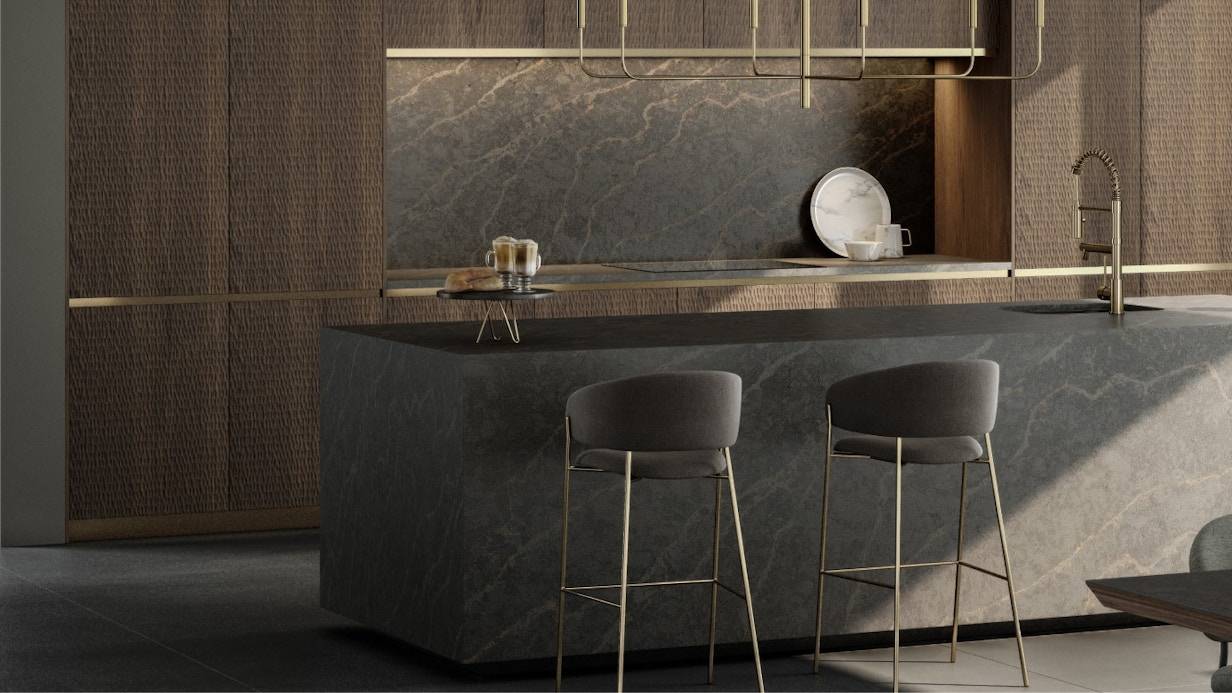
Silestone by Cosentino
2. Elevating the Bathroom: The Integrated Vanity and Backsplash
While kitchens and bathrooms are the most common places to find stone surfaces, the creative application in the bathroom can transform a utilitarian space into a luxury retreat. Moving beyond the standard slab-with-drop-in-sink approach allows you to fully utilize the durability and low porosity benefits of quartz.
The Floating Vanity Effect
One of the most modern trends involves using quartz to create thick, substantial floating vanities. By mitigating the need for heavy visual weight underneath, a floating quartz vanity opens up the floor space, making smaller bathrooms feel significantly larger.
Designers are increasingly using mitered edges to give the quartz the appearance of a much thicker block of stone—sometimes up to six inches thick—while keeping the weight manageable. This substantial look adds a sense of grandeur. Furthermore, because quartz is non-porous, it is the ideal material for the humid, damp environment of a bathroom. Unlike granite and marble, which require regular sealing to prevent moisture absorption, quartz resists mold, mildew, and bacteria growth effortlessly.
Floor-to-Ceiling Backsplashes
Why stop at the vanity? A truly creative use of quartz in the bathroom is the extended backsplash. Instead of a standard 4-inch splash guard, consider running the quartz slab all the way up the wall behind the mirror, or even to the ceiling.
This creates a dramatic focal point and eliminates the need for grout lines found in traditional tile. Grout lines are notorious for collecting grime. A full-height quartz backsplash provides a smooth, wipeable surface that protects the wall from water splashes while offering a seamless, luxurious backdrop. It unifies the design, connecting the vanity to the vertical space and enhancing the beauty and elegance of the room.
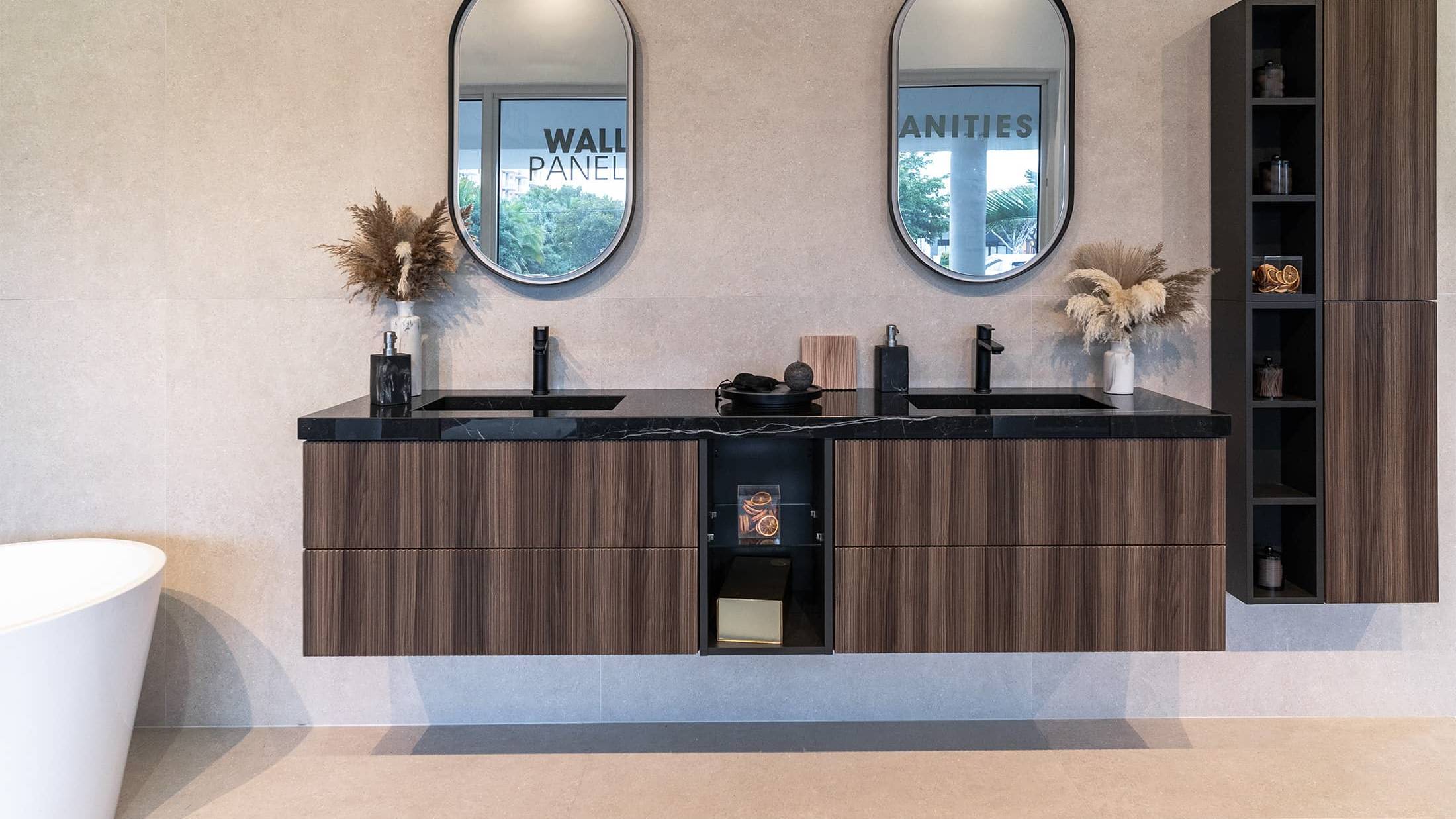
Vanity Quartz Countertop at Prosein Tiles Aventura
3. Modernizing the Living Room: The Fireplace Surround
When discussing decor for home, the living room fireplace is a traditional focal point. For decades, brick, wood, and tile have been the go-to materials. However, for a sleek, contemporary, or transitional look, quartz is emerging as a superior alternative to traditional granite and marble surrounds.
A Heat-Resistant Statement Piece
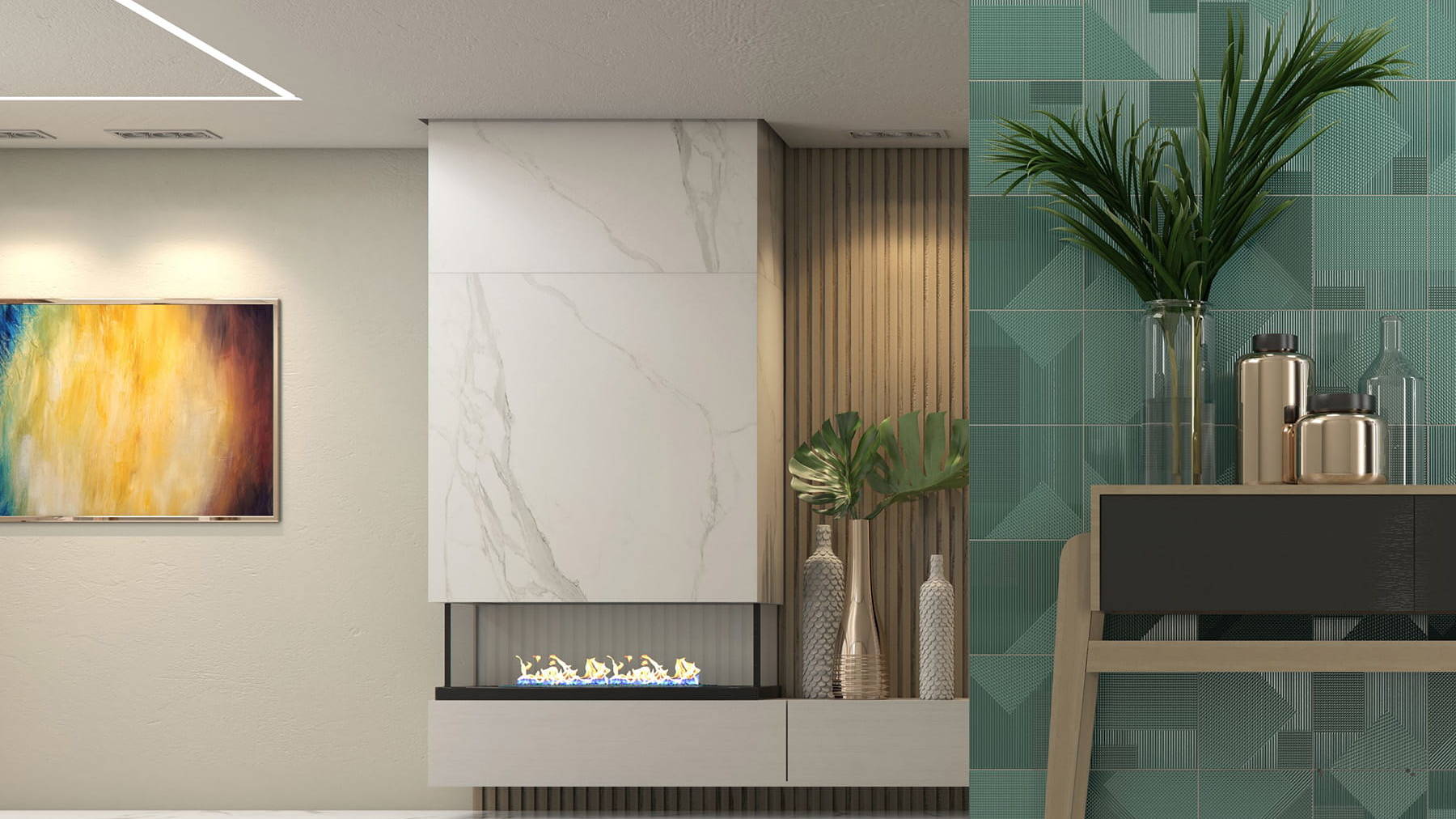
Replacing a dated brick facade with a floor-to-ceiling quartz slab can instantly modernize a living space. The sheer size of quartz slabs allows for a fireplace surround with minimal to no seams, creating a sleek, clean appearance that emphasizes verticality and height.
While one must always check the manufacturer’s specifications regarding heat clearance, the aesthetic payoff is immense. When comparing natural stone quartz excels in consistency. While you might struggle to find a slab of marble without an imperfection you dislike, quartz offers controlled designs that mimic the best parts of nature without the unpredictability.
Moving Away from Traditional Textures
In modern interior design, texture plays a massive role. If your home features a lot of soft textiles, introducing the smooth, glossy, or honed finish of quartz countertops material to the fireplace adds necessary contrast.
You can choose a quartz countertops style that mimics the dramatic veining of Calacatta marble for a classic, opulent look, or opt for a solid concrete-grey quartz for an industrial aesthetic. The availability of diverse colors and patterns ensures that no matter your color palette, there is a quartz slab that fits. Unlike natural marble, which might stain from soot or smoke, quartz is easy to clean, ensuring that the focal point of your living room remains pristine.
4. Durable and Stylish Laundry Room Workspaces
The laundry room is often the forgotten child of interior design, yet it is a space where functionality is paramount. Homeowners are increasingly realizing that decor for home excellence should extend to utility areas. Installing quartz here is a smart move because of its famous durability and low maintenance requirements.
Practicality Meets Aesthetics
Laundry rooms deal with a variety of harsh elements: water, detergents, bleach, and abrasive clothing components like zippers and buttons. Laminate countertops can peel or scratch over time, and wood is susceptible to water damage and warping.
Quartz provides an impervious surface perfect for sorting clothes, folding delicate items, and treating stains. Because it is chemically resistant, it stands up to the accidental spills of laundry detergents better than many other surfaces. This is why the material is so dominant in kitchens and bathrooms; those same properties make it perfect for the laundry room.
Creating a Multi-Functional Space
By using high-quality quartz countertops in the laundry room, you can transform the space into a multi-purpose area. It can double as a potting station for indoor plants, a crafting table, or a wrapping station for gifts. The durability of the surface means you don’t have to worry about scratching it with scissors or staining it with potting soil.
Furthermore, utilizing light-colored quartz can brighten up what is often a small, windowless room. A sparkling white quartz counter can reflect light, making the laundry room feel cleaner, airier, and more inviting.
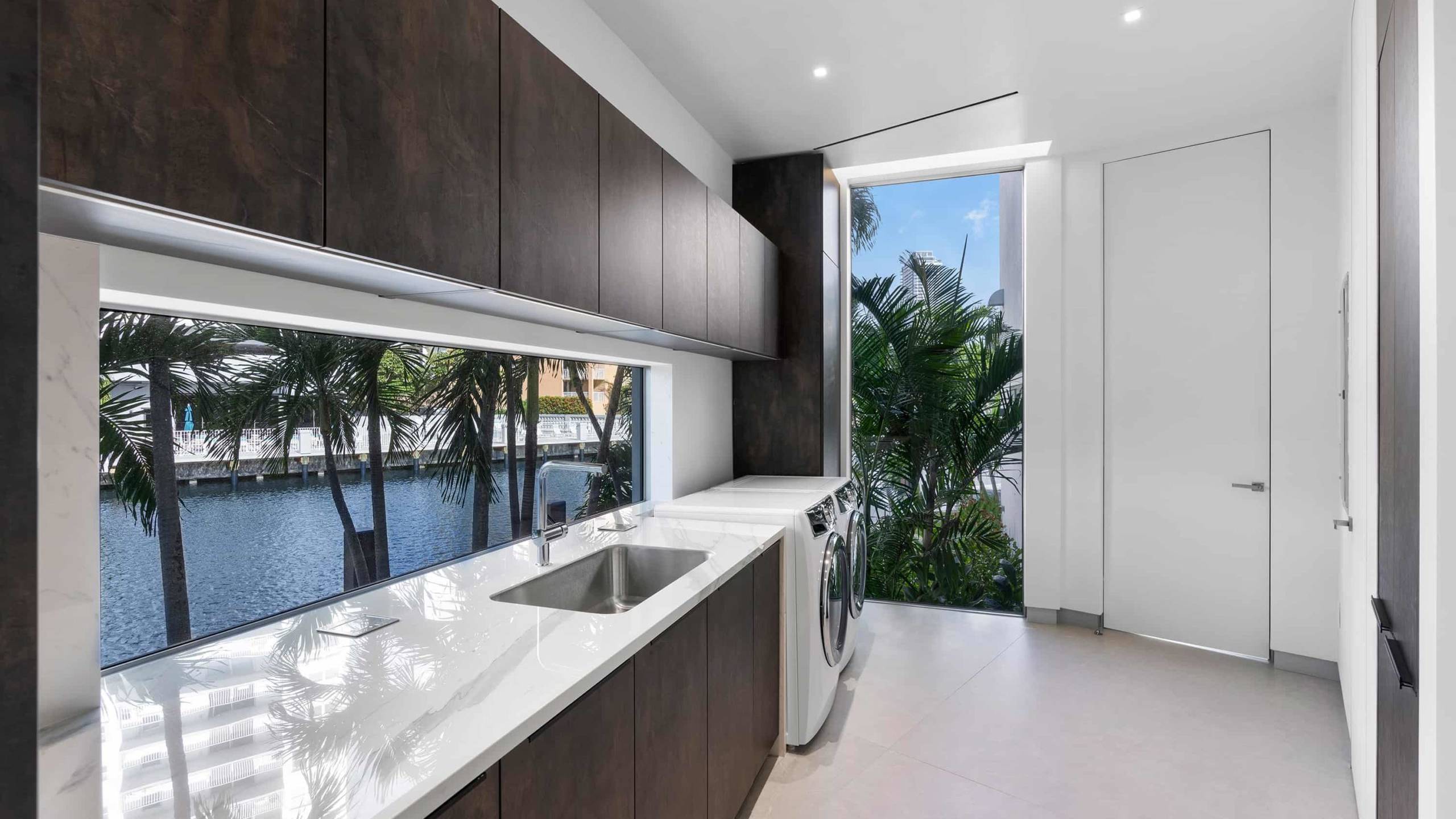
Laundry Room Quartz Countertop
5. Custom Furniture and Accent Pieces
Perhaps the most creative use of quartz lies completely outside the realm of permanent architectural installation. Enterprising designers and homeowners are using quartz remnants and slabs to create bespoke furniture pieces that serve as durable assets in decor for home styling.
Quartz Dining and Coffee Tables
Finding the perfect dining table is a challenge. Wood requires coasters to avoid water rings, and glass shows every fingerprint. A custom quartz dining table removes these headaches.
By commissioning a metal or wood base and topping it with a custom-cut piece of quartz, you create a table that is virtually indestructible. It can withstand hot plates (with trivets), wine spills, and homework sessions without marring. This is particularly popular for coffee tables in living rooms, where beauty and elegance must meet extreme durability. You can even match the table top to the surfaces for your kitchen to create a cohesive design language throughout an open-concept living area.
Window Sills and Floating Shelves
A subtle yet impactful detail in home renovation is the replacement of standard wooden window sills with quartz. Windowsills often suffer from sun damage and condensation. Quartz sills are impervious to moisture and provide a polished, high-end look that frames the view beautifully.
Similarly, open shelving in alcoves can be crafted from quartz. While heavy, with proper structural support, floating quartz shelves provide a stunning place to display art. They link the vertical storage solutions with horizontal workspaces, and because they mimic natural stone quartz shelves add an element of organic luxury that wood shelves simply cannot achieve.
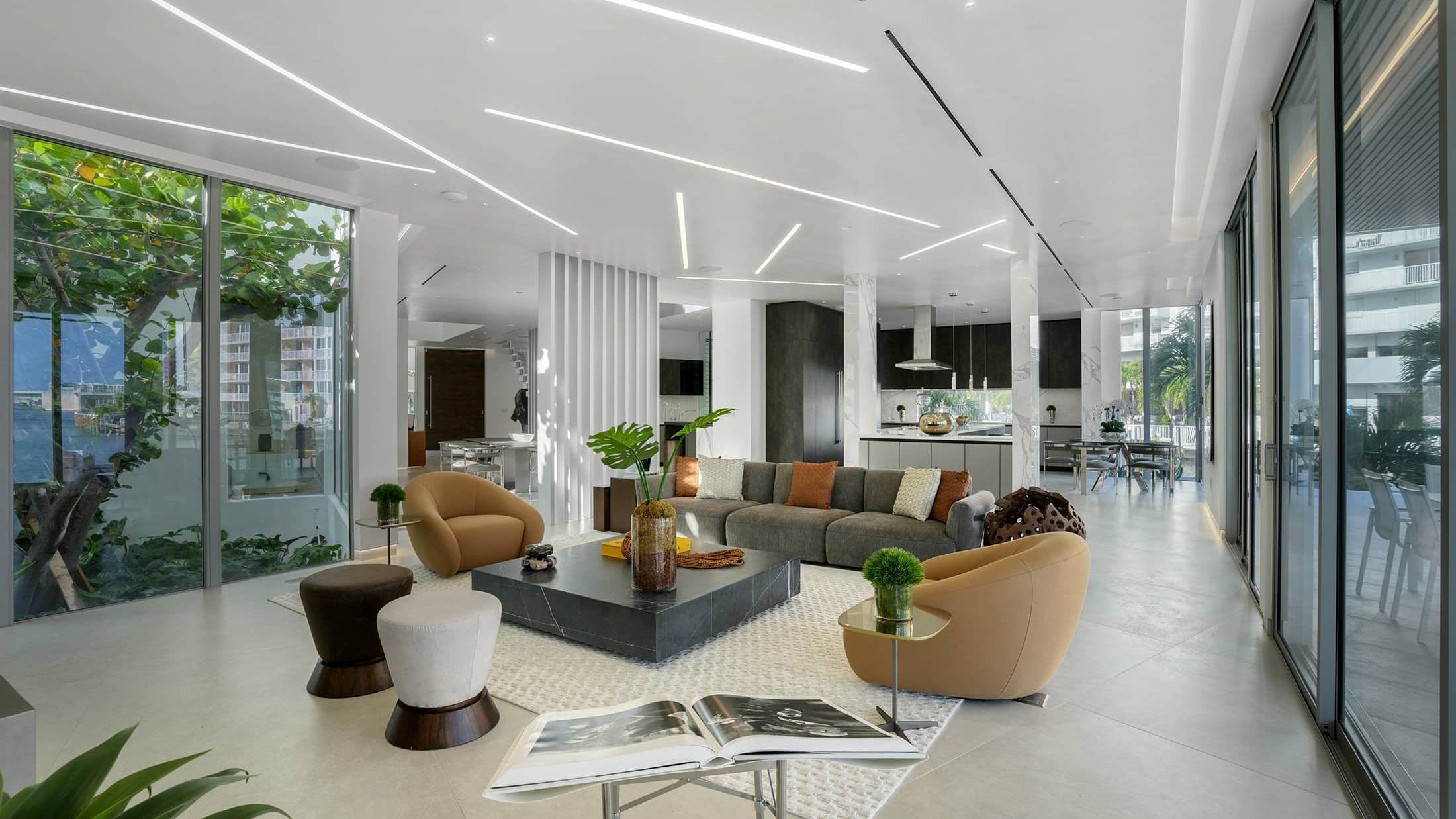
Quartz Custom Table
Conclusion: The Strategic Investment
Conclusion
The evolution of quartz countertops from a simple work surface to a versatile architectural element reflects a broader shift in decor for home preferences. Today’s homeowners demand materials that do not force a compromise between utility and style.
Whether you are cascading the stone down the side of an island for your kitchen, cladding a fireplace for dramatic effect, or seeking a material that works equally well in kitchens and bathrooms, quartz offers a solution that is as robust as it is refined. It bridges the gap between the organic appeal of natural stone, quartz engineering, and modern resilience.
Quartz countertops, with its incredible durability and low maintenance needs, combined with an endless variety of colors and patterns, quartz allows you to achieve the beauty and elegance of granite and marble without the upkeep. If you are ready to transform your home, consider visiting a local showroom to see the possibilities in person.
Frequently Asked Questions: Quartz Countertops vs. Granite and Marble
Is quartz cheaper than granite?
The price difference between quartz countertops and granite is often less significant than homeowners expect, but there are distinctions. Generally, entry-level granite can be slightly cheaper than standard quartz countertops. However, high-quality natural stone quartz blends often sit at a similar price point to mid-range granite. The true cost difference usually favors quartz when you factor in long-term maintenance; since granite requires regular sealing and is more prone to cracking, quartz countertops often proves to be the more cost-effective choice over the lifespan of your home.
How does the cost of quartz compare to marble?
When comparing granite and marble against quartz countertops, marble is typically the most expensive option, particularly for premium varieties like Calacatta or Statuario. Quartz Countertops that mimics the beauty and elegance of these high-end marbles is significantly more affordable. You can achieve the same luxurious aesthetic with bright white backgrounds and dramatic gray veining for a fraction of the price of a natural marble slab.
Does quartz increase home value as much as natural stone?
Yes. In the current real estate market, kitchens and bathrooms fitted with quartz are highly desirable. Because potential buyers value durability and low maintenance, a high-quality quartz countertops installation can offer a return on investment (ROI) comparable to, and sometimes better than, natural stone. It signals to buyers that the home is modern and “move-in ready” without the need for future upkeep.
Why do some quartz colors cost more than others?
The price of quartz countertops varies based on the complexity of the design. Standard monochromatic colors are usually the most affordable. As the colors and patterns become more intricate—specifically those that realistically replicate the organic movement of natural stone, quartz prices increase. This is because the manufacturing process required to create “natural-looking” veins and depth is more labor-intensive than producing a solid color.
Is quartz a good investment for a rental property?
Absolutely. For rental properties, durability is the top priority. Installing granite and marble can be risky because tenants may not maintain the sealing schedule or might accidentally stain the porous surface with wine or citrus. Quartz countertops offers the beauty and elegance of stone but is nearly indestructible in a rental setting, resisting stains and scratches without any special care from the tenant.