


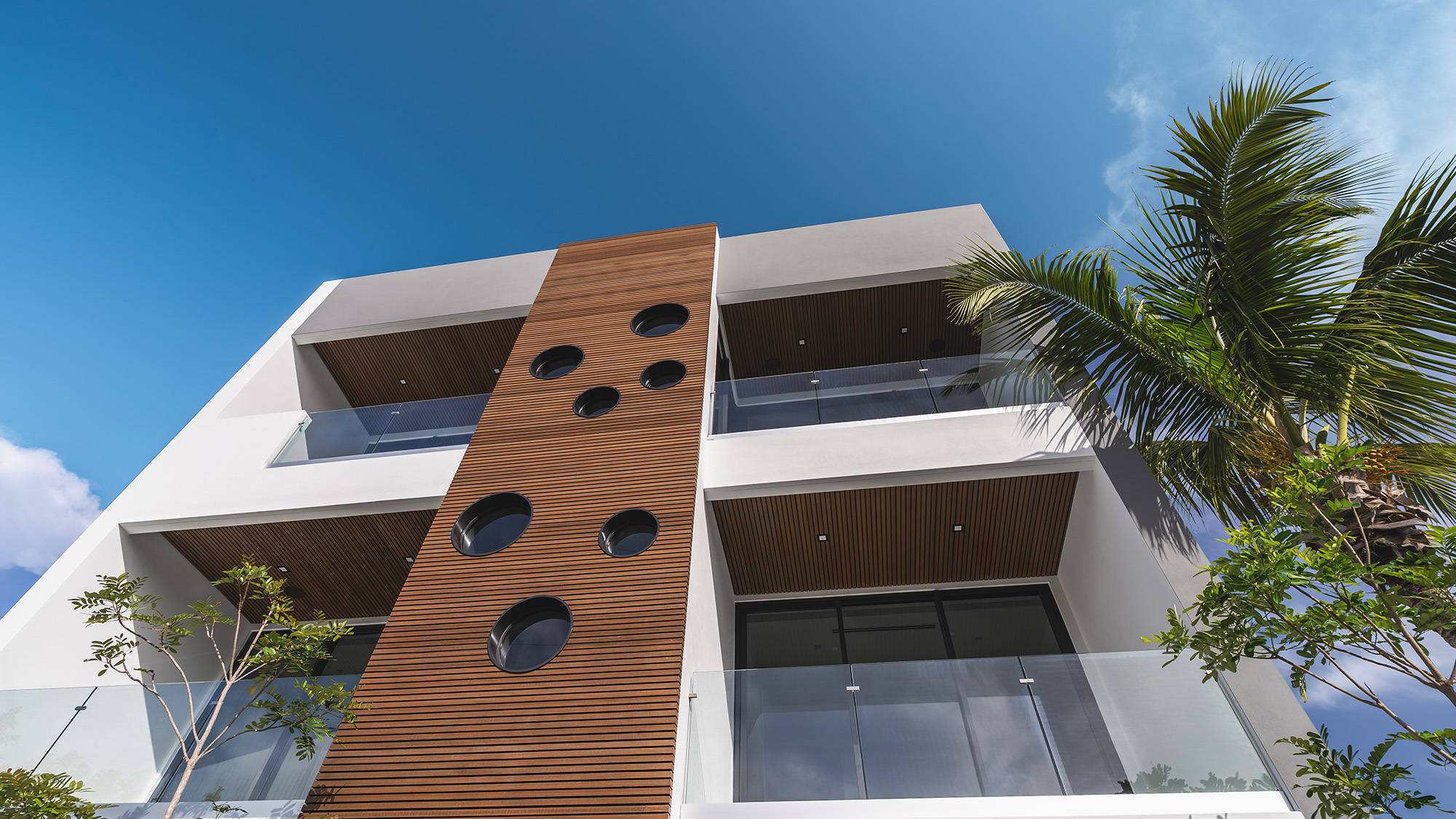
Art Panel / Key Largo House
Luxury Wall Panel Ideas. Interior design is constantly evolving, but some elements stand the test of time while reinventing themselves for the modern era. If you are looking for a way to add depth, texture, and character to a room without a complete renovation, exploring creative wall panel ideas is the ultimate solution. Gone are the days when paneling meant dark, dated basements from the 1970s. Today, wall cladding is a hallmark of sophistication, offering a blend of aesthetic appeal and functional durability.
Whether you are aiming for a rustic farmhouse vibe, a sleek modern minimalist look, or a luxurious traditional atmosphere, the right wall treatment can completely transform your space. In this comprehensive guide, we will explore the best materials, styles, and placement strategies to help you elevate your home.
The Resurgence of Wall Paneling in Modern Design
The concept of wall paneling has existed for centuries, originally serving as insulation against cold stone walls. However, its purpose today is primarily decorative and architectural. Modern designers have embraced panels to break the monotony of flat, painted drywall.
The beauty of contemporary paneling lies in its versatility. It serves as a focal point, grounds furniture, and can even hide imperfections in the original wall structure. By utilizing various textures—from natural wood to synthetic 3D shapes or durable porcelain—you can dictate the mood of any room. Luxury Wall Panel Ideas.
When selecting a design, it is essential to consider the room’s lighting. Textured wall decorative panels interact beautifully with both natural and artificial light, creating shadows and highlights that paint simply cannot achieve. This interplay of light and shadow adds a dynamic architectural element to your interiors.
Top Wall Panel Ideas for Every Room
To truly upgrade your interiors, you must match the type of paneling to the function and style of the specific room. Here are tailored ideas for the main areas of your home.
Living Room Statements with Decorative Wall Panels
Luxury Wall Panel Ideas. The living room is often the heart of the home, making it the perfect canvas for bold choices. A popular trend is the installation of a feature wall behind the television or the main sofa. Here, decorative wall panels can be used to create a stunning visual anchor.
- Geometric Patterns: For a contemporary look, consider raised geometric lines. These can be painted in the same color as the wall for a subtle texture or a contrasting color for a dramatic effect.
- Fluted Panels: Vertical, slat-style panels (often wood or composite) draw the eye upward, making ceilings appear higher and the room more spacious.
Bedroom Warmth with Wood Wall Decorative Panels
In the bedroom, the goal is often to create a cozy, serene sanctuary. Wood wall decorative panels are exceptional for this purpose due to the natural warmth they bring to a space.
Installing a board and batten grid behind the headboard is a timeless choice that adds depth without overwhelming the space. Alternatively, shiplap installed horizontally can evoke a sense of calm and coastal relaxation. The natural grain patterns found in real wood or high-quality imitations provide a tactile quality that softens the acoustics of the room, contributing to a better night’s rest.
Reaching New Heights: Decorative Panels for Ceilings
Often referred to as the “fifth wall,” the ceiling is a frequently overlooked canvas. Applying decorative wall panels to the ceiling is a sophisticated design move that adds unexpected texture and architectural depth to any room.
-
Defining Spaces: Installing panels on the ceiling is an excellent way to define specific zones in an open-concept home, such as a dining area or a master suite.
-
Texture and Contrast: Whether you choose fluted designs to add rhythm or smooth, wood-textured panels to bring warmth, “cladding the sky” of your room creates a cozy, high-design envelope that makes the space feel complete and intentionally styled.
Material Matters: Choosing Your Decorative Wall Panel
Selecting the right material is critical for the longevity and style of your project. Let’s dive deeper into the available options.
The Classic Appeal of Wall Wood Paneling
Real wood remains a favorite for its authenticity. Wall wood paneling can range from reclaimed barn wood for a rustic touch to sleek walnut veneers for a mid-century modern aesthetic. However, wood requires maintenance to prevent drying or cracking and may not be suitable for high-humidity areas unless properly sealed.
PVC, WPC, and 3D Wall Decorative Panels
For those seeking a blend of durability and easy DIY installation, PVC and WPC (Wood Plastic Composite) panels offer immense variety. While PVC is known for being lightweight and water-resistant—perfect for 3D designs—WPC panels provide a sturdier, eco-friendly alternative that mimics the look of wood with superior resistance to rot and decay. Both options are easy to cut and install, making them a favorite for quick, high-impact makeovers in any room.
The Timeless Texture Of Stone Cladding
For a high-end, earthy look, stone cladding is a robust choice that adds a sense of permanence and durability to any room. Because it is highly resistant to scratching and chipping, it is perfect for high-traffic areas like hallways or entryways. If you want the look of a rugged rock wall or a sleek marble slab without the high maintenance of solid stone, these panels are the answer, creating a visually striking, tactile appearance that stands the test of time.
Creative Installation Techniques
How you install your panels is just as important as the material you choose. The orientation and height of the decorative wall panel can change the perceived proportions of a room.
Vertical vs. Horizontal Orientation
- Vertical Installation: Placing panels vertically (such as beadboard or vertical slats) emphasizes the height of the room. This is an excellent trick for rooms with low ceilings.
- Horizontal Installation: Running panels horizontally (like shiplap) tends to guide the eye across the room, making narrow spaces feel wider and more expansive.
Wainscoting and Half-Wall Styles
You don’t always need to cover the entire wall. Wainscoting—installing wall paneling on the lower third or half of the wall—is a classic technique that adds character while protecting the wall from scuffs.
This style allows for a beautiful two-tone effect. You can paint the wall wood paneling a rich, grounding color like navy or forest green, and leave the upper wall neutral or cover it with wallpaper. This contrast creates a sophisticated visual hierarchy that elevates the entire interior.
Maintenance and Sustainability
Once you have selected your wall panel Ideas and installed them, maintaining their beauty is the next step.
Cleaning and Care
Different materials require different care. Wood panels may need occasional polishing or waxing. However, if you opt for porcelain panels for your walls, maintenance is straightforward. Cleaning typically requires only basic household cleaners and a damp mop (or cloth for walls), making upkeep efficient.
Eco-Friendliness
Sustainability is a growing concern for modern homeowners. Many wood wall decorative panels are now sourced from sustainable forests or reclaimed materials to minimize environmental impact. Additionally, modern PVC and WPC wall panels contribute to eco-friendly design through their recyclability and extreme durability. WPC (Wood Plastic Composite) is particularly sustainable as it often blends recycled wood fibers with plastic to create a robust product. Because these panels are built to last for decades without rotting or wearing out, they significantly reduce waste and the need for frequent replacements.
Discover Art Panel by Prosein
To bring these design possibilities to life, Prosein Tiles offers Art Panel, a dedicated brand specializing in high-quality WPC panels. With an extensive palette of colors and textures, Art Panel provides the perfect solution for transforming both walls and ceilings with ease. Whether you are looking to add a modern fluted accent to your living room or a sophisticated finish to your “fifth wall,” their versatile collection caters to every aesthetic. For projects where performance is as important as style, Art Panel even features a specialized line of acoustic products designed for spaces that require superior soundproofing, ensuring your home is as quiet as it is beautiful.
Conclusion
Upgrading your interiors doesn’t always require tearing down walls or changing the footprint of your home. Sometimes, the most dramatic changes come from surface treatments. By exploring various Luxury Wall Panel Ideas, from the warmth of wood wall decorative panels to the incredible durability and versatility of porcelain, you can curate a space that is uniquely yours.
Whether you choose a full floor-to-ceiling installation or a subtle wainscoting accent, adding a decorative wall panel brings architectural integrity and value to your property. Start planning your project today, and watch how these textures instantly upgrade your home.
FAQ: Everything You Need to Know About Wall Panels
1. Can I use wall panels in a bathroom or shower area?
Yes, but the material choice is critical. Traditional wood can warp due to humidity. However, porcelain tiles are an excellent alternative for wall paneling in wet areas. They are impervious to stains and moisture, and their low porosity ensures they do not harbor bacteria or allergens. This makes them a hygienic and durable option for bathrooms.
2. Are decorative wall panels hard to maintain?
It depends on the material. 3D textured panels may require dusting to prevent buildup in the crevices. Flat panels are easier to clean. If you choose porcelain wall cladding, maintenance is very straightforward. You usually only need basic household cleaners to keep them looking pristine.
3. Can wall paneling mimic other materials?
Absolutely. Modern manufacturing allows for incredible mimicry. For instance, porcelain tiles can replicate the intricate grain patterns of hardwood or the rugged texture of natural stone. This allows you to have the aesthetic of wall wood paneling with the superior durability of ceramic material.
4. Is installing wall panels an eco-friendly choice?
Many wall panel options are sustainable. Reclaimed wood is a popular eco-friendly choice, but PVC wall panels are also a smart environmental option. Modern PVC is often 100% recyclable and manufactured with low-emission processes. Additionally, their extreme durability and resistance to moisture mean they last for decades, significantly reducing waste by eliminating the need for frequent replacements or repairs.
5. Will wall panels make my room look smaller?
Not necessarily. In fact, specific wall panel ideas can enhance the sense of space. Vertical wall decorative panels can make ceilings look higher, while horizontal cladding can make a room feel wider. Using lighter colors for your panels can also help reflect light and keep the room feeling airy and open.
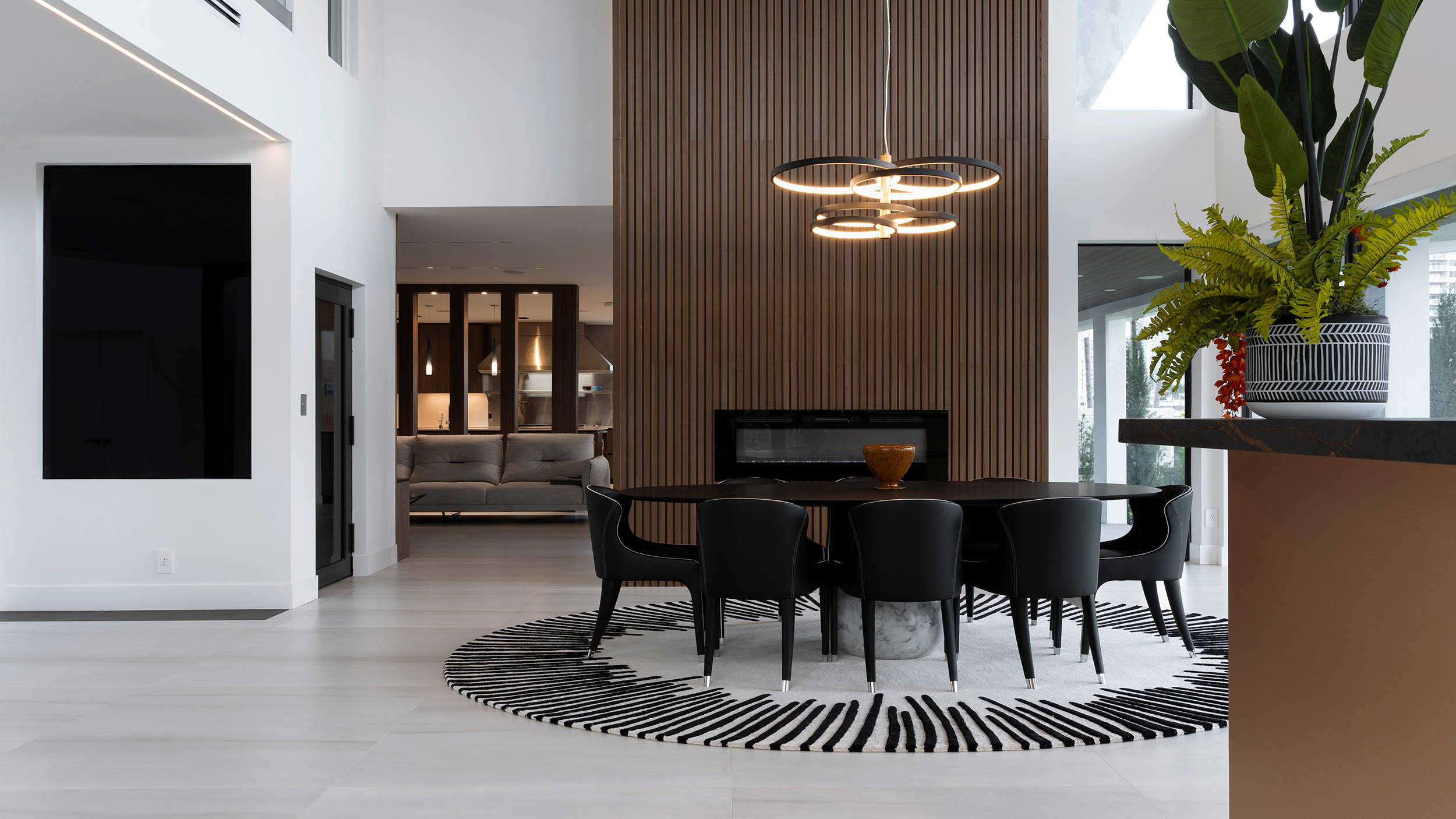
Art Panel / Hallandale Beach House