



Engineered Wood
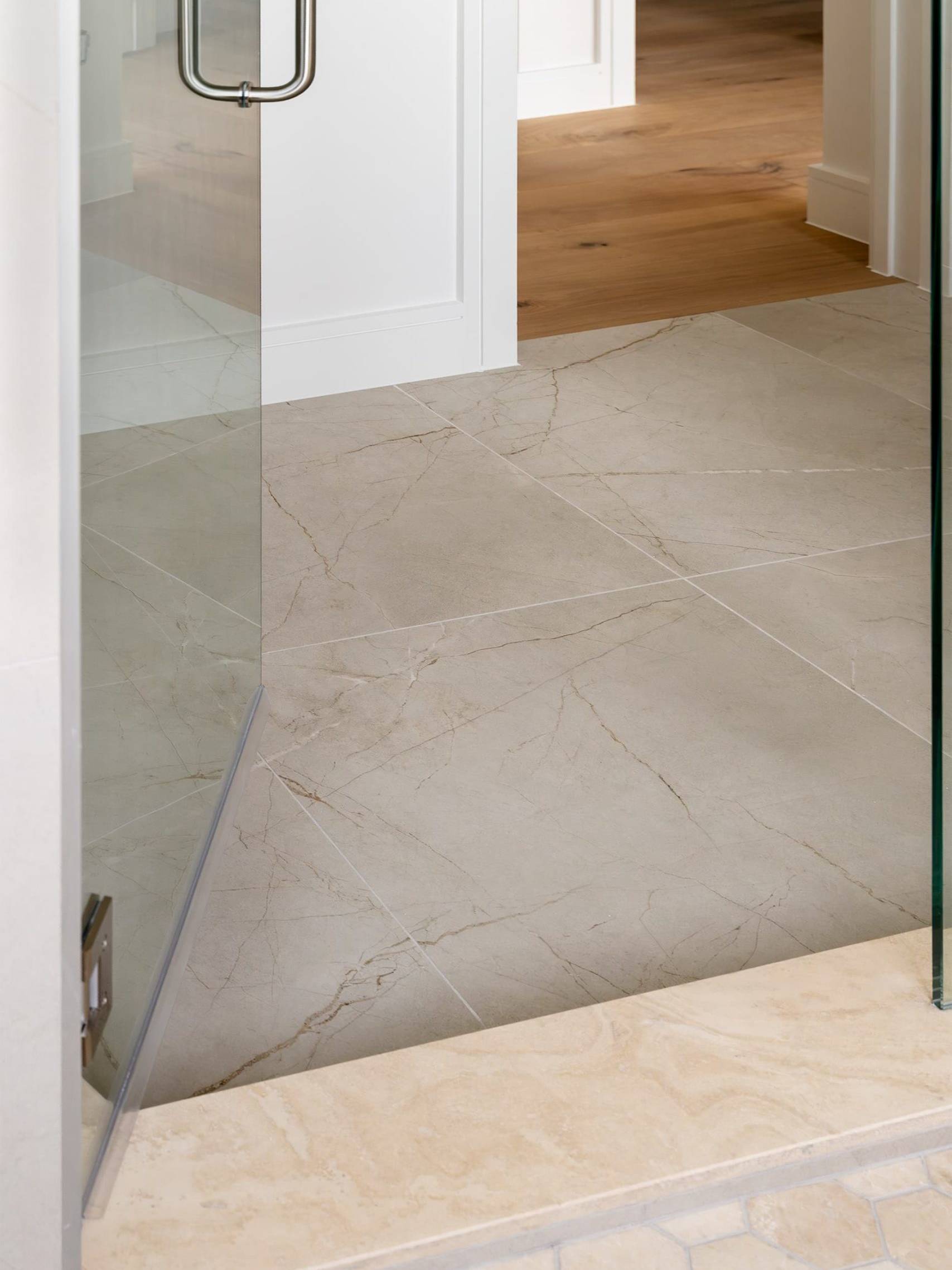
How to combine Porcelain tile floors with Engineered Woods. Embarking on a home renovation often involves making difficult choices, especially when it comes to flooring. Should you opt for the cozy, timeless elegance of wood, or the robust, cool durability of tile? The good news is that modern interior design no longer forces you to choose just one. The trend of mixing materials has taken center stage, and learning how to combine ceramic tile floors with engineered woods is the key to unlocking a sophisticated, functional, and visually dynamic home.
Creating a seamless transition between ceramic tile floors and engineered woods allows you to zone open-concept spaces, protect high-traffic areas, and add architectural interest to your property. However, executing this look requires careful planning regarding texture, color, and installation levels.
In this guide, we will explore the aesthetic and practical benefits of this combination, how to execute the transition flawlessly, and why this duo is the ultimate solution for modern living. Porcelain tile floors
Understanding the Power Couple: Durability Meets Warmth
To understand why this combination works so well, we must first look at the properties of the materials involved.
The Unmatched Resilience of Ceramic and Porcelain tile Floors
When we discuss ceramic tile floors in the context of high-end design, we are often referring to porcelain tile floors, a specific and superior type of ceramic. Porcelain tile floors are renowned for their strength and aesthetic versatility. They are composed primarily of kaolin clay mixed with feldspar and silica, undergoing a meticulous manufacturing process.
This process involves firing the tile at temperatures exceeding 1,200 degrees Celsius. The result is a product that is remarkably resilient compared to regular ceramics, possessing significant density and toughness. For areas in your home that endure heavy foot traffic, moisture, or potential spills—like entryways and kitchens—tile is the undisputed champion.
Furthermore, the low porosity of these tiles enhances their resistance to moisture and stains. This makes them impervious to the liquids that might warp wood, ensuring longevity. When you visit a porcelain tile floors shop, you will notice that these tiles can even mimic natural materials like stone or wood itself, offering incredible design versatility.
The Aesthetic Warmth of Engineered Woods
On the other side of the junction lies engineered wood. Unlike solid hardwood, which is susceptible to expansion and contraction due to humidity changes, engineered wood is more stable. It brings the undeniable warmth, acoustic dampening, and softness underfoot that tile lacks. It is the ideal material for living areas, bedrooms, and spaces where comfort is paramount. By combining the “invincibility” of tile in wet zones with the comfort of wood in living zones, you get the best of both worlds.
Mastering the Transition: Where Wood Meets Tile
The success of your flooring project hinges entirely on how you handle the transition line. This is where the ceramic tile floors meet the engineered wood planks. A poor transition can look like a mistake, while a well-executed one looks like a deliberate design feature.
1. The Flush Transition
The “holy grail” of flooring combinations is the flush transition. This means there is no “bump” or threshold strip between the two materials; they sit at the exact same height.
- Installation Note: This requires precise calculation before laying the floors. Since ceramic tile floors (plus mortar/adhesive) usually have a different thickness than engineered wood (plus underlayment), you may need to install a plywood subfloor or use self-leveling compound to raise the height of the thinner material.
- The Look: This creates a clean, modern, and uninterrupted visual line that is safer for walking (no tripping hazards).
2. The Expansion Gap and Silicone Caulk
Both wood and tile move, but they move differently. Wood expands and contracts with humidity; tile is relatively static but needs room for building movement. You cannot butt them tight against each other, or the wood might buckle.
- The Solution: Leave a small gap (usually about 1/8 to 1/4 inch) between the engineered woods and the tile. Instead of covering this with a bulky metal strip, fill it with a color-matched silicone caulk or a flexible cork strip. This allows for movement while maintaining a sleek look.
3. Creative Shapes and Zoning
Who says the line has to be straight? One of the most stunning trends in home renovation is the “organic” transition.
- Hexagon tile: Imagine a hexagonal ceramic tile floors in the kitchen “bleeding” into the wood flooring of the living room. You cut the wood planks to fit around the hexagon shapes rather than creating a straight line.
- Curved Lines: A curved transition can soften the look of a room, guiding the eye gently from the entryway into the main hall.
Strategic Zoning: Best Areas for Combinations
Knowing how to combine ceramic tile floors with engineered woods is also about knowing where to do it. The goal is to place durability where it is needed most without sacrificing comfort.
The Open-Concept Kitchen
In an open-concept layout, the kitchen often flows directly into the living room. However, kitchens are prone to dropped pots, water spills, and grease.
- The Strategy: Install porcelain tile floors in the “work triangle” (stove, sink, fridge area) and transition to engineered wood as you move toward the breakfast bar or sofa area.
- Design Tip: Match your ceramic backsplash tile to the floor tile to create a cohesive vertical and horizontal visual connection in the kitchen zone.
The Mudroom and Entryway
The front door is the enemy of wood floors. Grit, gravel, rain, and mud brought in by shoes act like sandpaper on wood finishes.
- The Strategy: Create a “landing pad” of tile immediately inside the door. These ceramic tile floors act as a shield. Because porcelain tile floors is scratch-resistant and impervious to stains, it will handle the abuse of muddy boots perfectly. The wood can begin once the “danger zone” ends.
Bathroom Sanctuaries
While wood in a full bathroom is risky, it is becoming popular in powder rooms. However, the wettest areas (shower and tub surrounds) must be tiled.
- The Strategy: Use high-end bathroom tile around the vanity and tub, transitioning to wood in the dressing area or master bedroom. Ensure you use walls and floor tile that complement the wood grain tone to prevent the spaces from feeling disjointed.
Design Strategies for Visual Harmony
Once the logistics are settled, you must focus on the aesthetics. How do you ensure the ceramic tile floors and engineered woods look good together?
Tone-on-Tone vs. High Contrast
- Harmonious Flow (Tone-on-Tone): If you want the space to feel larger, choose a tile that closely matches the color value of the wood. For example, a light oak engineered wood paired with a beige or warm grey stone-effect tile. The reduced visual break makes the room feel expansive.
- Bold Zoning (High Contrast): To clearly define spaces, go for contrast. A dark walnut wood paired with a bright white marble-effect porcelain tiles floors creates drama and clearly delineates the kitchen from the dining area.
Playing with Texture
Since tile is hard and smooth (or slightly textured for slip resistance) and wood has grain, you already have a texture contrast.
- Pro Tip: If you choose a wood-look tile from a porcelain tile floors shop, be careful. Placing “fake” wood tile next to “real” engineered wood often looks off because the grains will never match perfectly. It is usually better to contrast materials (stone-look tile vs. wood planks) rather than trying to match them.
Linking Vertical and Horizontal Planes
Don’t forget the walls. To make the floor combination feel intentional, repeat the materials elsewhere.
- If you have a grey slate ceramic tile floor, consider using porcelain tile for walls in the shower or as a feature wall that picks up the same grey tones.
- Use ceramic backsplash tiles in the kitchen that have a hint of the wood’s undertone (e.g., a warm cream tile if the wood is honey-colored).
Installation Tips for a Seamless Renovation
If you are managing this home renovation yourself or hiring a pro, keep these technical checks in mind:
- Subfloor Preparation: This is non-negotiable. The robust nature of porcelain tile floors makes it heavy. Your subfloor must be stiff enough to support the tile without flexing, which causes cracks.
- Adhesive and Grout: Use the correct mortar for the specific type of tile. Porcelain tile floors has low porosity, requiring specific polymer-modified thin-sets to bond correctly.
- Buy Extra Material: Whether you are buying from a local store or an online porcelain tile floors shop, always order 10-15% extra. Future repairs or installation cuts often require more material than calculated.
Conclusion
Learning how to combine ceramic tile floors with engineered woods opens up a world of design possibilities. It allows you to leverage the immense durability and water resistance of porcelain tile floors in high-impact zones while retaining the organic warmth of wood in your relaxation spaces. By focusing on flush transitions, complementary colors, and strategic zoning, you can increase your home’s value and livability.
Whether you are looking for wall and floor tile for a bathroom upgrade or planning a massive open-plan renovation, this dual-flooring approach is a modern classic that is here to stay.
Frequently Asked Questions (FAQ)
1. Is it cheaper to install ceramic tile or engineered wood?
Generally, the material cost for ceramic tile floors (specifically porcelain tile floors) can be lower per square foot than high-quality engineered wood. However, the installation labor for tile is often more expensive due to the complexity of cutting, setting, and grouting. When combining them, the cost is usually balanced, but the preparation to make them flush (level) can add to the labor cost.
2. Can I use a “wood-look” ceramic tile next to real engineered wood?
Designers generally advise against this. Placing a ceramic tile floor that mimics wood right next to real engineered wood highlights the artificial nature of the tile. It is often more aesthetically pleasing to contrast materials—for example, pairing a concrete-look or stone-look porcelain tile floors with the wood to create distinct textures.
3. How do I clean the transition area between the two floors?
Maintenance is straightforward. Porcelain tile floors are stain-resistant and easy to clean with damp mops. Engineered wood requires specific wood cleaners and less water. When mopping, simply be careful not to oversaturate the wood side of the transition. A damp mop is usually safe for both if the transition gap is properly sealed with silicone.
4. Do I need a transition strip if the floors are different heights?
Yes. If you cannot achieve a flush transition during the subfloor preparation, you must use a transition strip (T-molding or reducer) to prevent tripping hazards and protect the edges of the engineered wood from chipping. However, for a high-end home renovation look, aiming for a flush level is always preferred.
5. Can I install radiant floor heating under both materials?
Yes, this is a great feature for a mixed floor! ceramic tile floors conduct heat beautifully and retain it well. Most engineered woods are also compatible with radiant floor heating (unlike solid wood, which warps), but you must check the manufacturer’s specifications for the wood to ensure it can handle the temperature fluctuations.
6. Which material should I install first?
Usually, it is best to install the ceramic tile floors first. Tile is a “wet” installation involving mortar and grout that can be messy. Once the tile is set and the height is established, it is easier to install the engineered wood up to the tile edge (or transition strip) for a precise fit.
Engineered Wood