


Choosing the right porcelain tile is essential for any home renovation project. This guide will provide a comprehensive overview of the key features, types, and practical tips for selecting and maintaining porcelain tile. From understanding different resistance ratings to finding trusted sources, the information within will assist homeowners and professionals alike. Proper knowledge and guidance are crucial for making informed decisions in tile purchasing and installation.

Prosein Tiles Aventura
Understanding Porcelain Tiles: Key Features and Benefits
Porcelain tiles are known for their exceptional durability and versatility. Their manufacturing involves higher firing temperatures compared to standard ceramic tiles, resulting in a denser and less porous product. This makes porcelain tiles an excellent choice for various applications throughout the home.
One of the standout characteristics of porcelain tiles is their remarkable resistance to moisture. This quality equips them to handle damp environments, making them ideal for bathrooms, kitchens, and even outdoor spaces. Unlike many other flooring options, porcelain tiles do not readily absorb water, minimizing the risk of mold or mildew.
Another advantage lies in their strong surface. Porcelain tiles are renowned for their ability to withstand heavy foot traffic without showing signs of wear and tear. This feature makes them a preferred choice for areas such as entryways and commercial spaces where durability is paramount.
Porcelain tiles come in an extensive variety of designs, colors, and finishes. Homeowners can choose from polished, matte, textured, or glazed surfaces. This wide range allows for creative freedom when designing spaces. From sleek, modern aesthetics to rustic, traditional looks, there’s a porcelain tile to match every style preference.
- Low Maintenance: Porcelain tiles are easy to clean and do not require special cleaning products. Regular sweeping and mopping with a mild detergent can keep them looking new.
- Stain Resistance: The low porosity of porcelain makes it highly resistant to stains from food, liquids, and other substances, enhancing its practicality.
- Temperature Tolerance: This type of tile can withstand extreme temperatures, making it suitable for both hot and cold environments.
In summary, the key features and benefits of porcelain tiles render them a favorable option for many homeowners. Their combination of aesthetic appeal, durability, and low maintenance makes them a smart investment for both new constructions and remodeling projects.
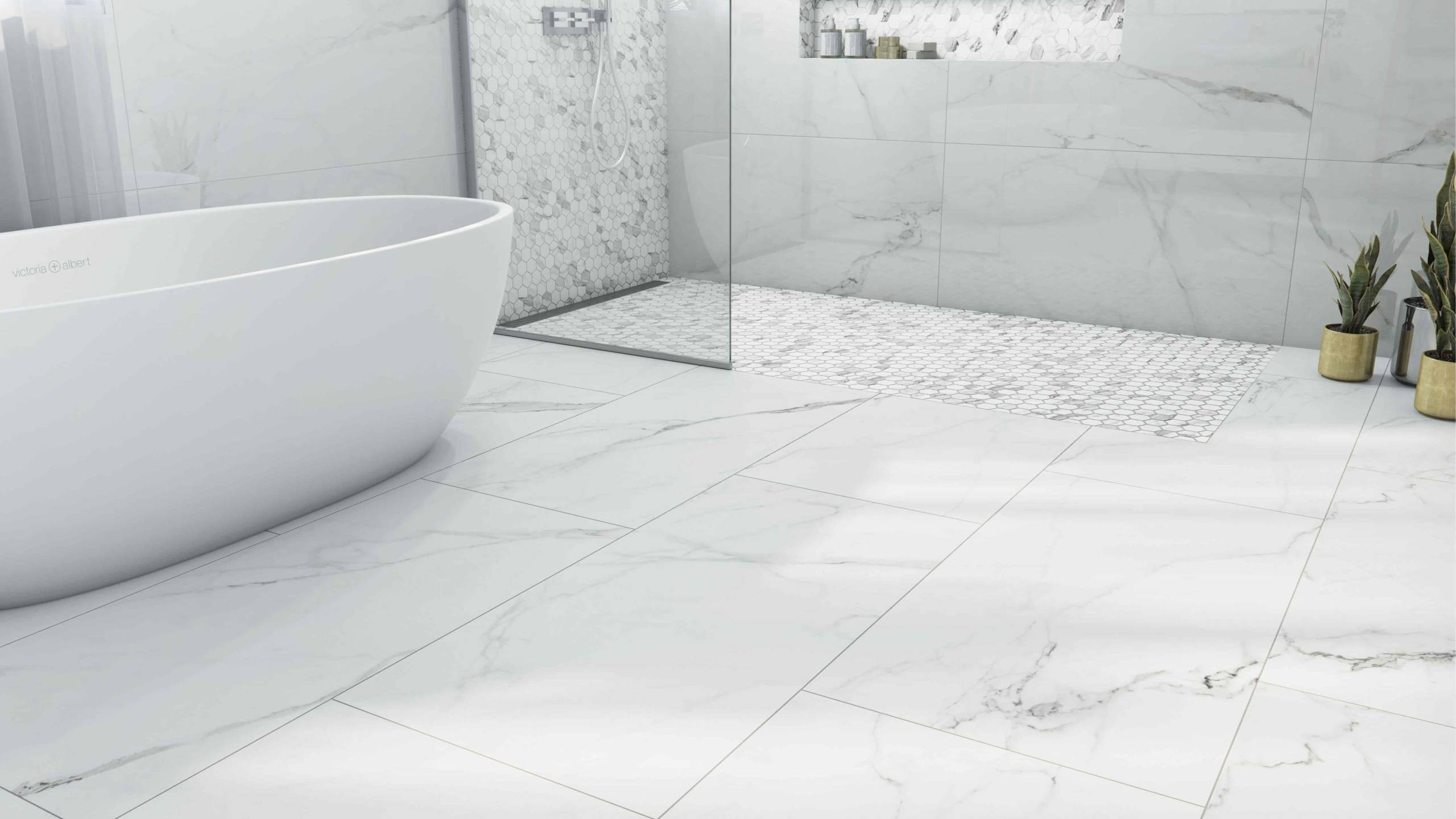
Carrara Collection
Porcelain Tile Looks: A World of Design Options
When selecting porcelain tile for your home or design project, it’s crucial to consider the vast array of visual styles available. Modern manufacturing techniques allow porcelain to flawlessly mimic the appearance and texture of many natural and industrial materials, offering the aesthetic you desire with the unmatched durability and low maintenance of porcelain. This versatility opens up endless possibilities for achieving specific design aesthetics across various settings.
Wood-Look Porcelain Tile
This popular option flawlessly replicates the grain, color, and texture of natural hardwood planks. Often produced in plank formats, wood-look porcelain provides the warmth and charm of wood without the maintenance issues associated with natural timber, such as warping, scratching, or water damage. It is an excellent choice for kitchens, bathrooms, high-traffic areas, or basements where natural wood is impractical.
Marble-Look Porcelain Tile
For a touch of timeless elegance and luxury, marble-look porcelain is ideal. These tiles feature the classic veining, color variation, and finish (either high-gloss polished or honed matte) of natural marble. Unlike authentic marble, porcelain does not require sealing, making it highly resistant to etching and staining. It is frequently used in living rooms, grand entrances, and high-end bathrooms.
Stone-Look Porcelain Tile
Stone-look porcelain mimics the organic, earthy appearance of various natural stones, such as slate, travertine, or quartzite. These tiles can incorporate the rougher texture of natural stone, which also provides additional slip resistance, making them well-suited for outdoor patios, pool surroundings, fireplaces, and mudrooms. This option is perfect for designs aiming for a Mediterranean, rustic, or organic feel.
Concrete-Look Porcelain Tile
The raw, minimalist aesthetic of poured concrete is captured perfectly in concrete-look porcelain tile. It features the subtle variations, slight imperfections, and matte finish characteristic of industrial surfaces. This look is a staple in modern, urban loft, and minimalist designs, often used on floors and walls in contemporary kitchens and open-plan living spaces.
Other Specialized Looks
The innovation in porcelain manufacturing extends to other unique visual styles:
-
Fabric-Look Porcelain: These tiles replicate the subtle weave, texture, and muted colors of textiles like linen, providing a softer, tactile appearance ideal for feature walls or bedrooms.
-
Metal-Look Porcelain: Designed to mimic the patina, sheen, and subtle corrosion of aged or brushed metals like bronze or steel, these tiles are often utilized in ultra-modern, industrial chic, or commercial settings.
These diverse looks empower homeowners and designers to achieve a high-end, specific aesthetic—whether it’s the warmth of wood or the sleekness of concrete—without the maintenance concerns, cost, or installation challenges associated with the authentic source materials.
Understanding the breadth of these aesthetic options allows for the selection of porcelain tile that perfectly complements the project’s vision, ensuring both visual impact and practical longevity.
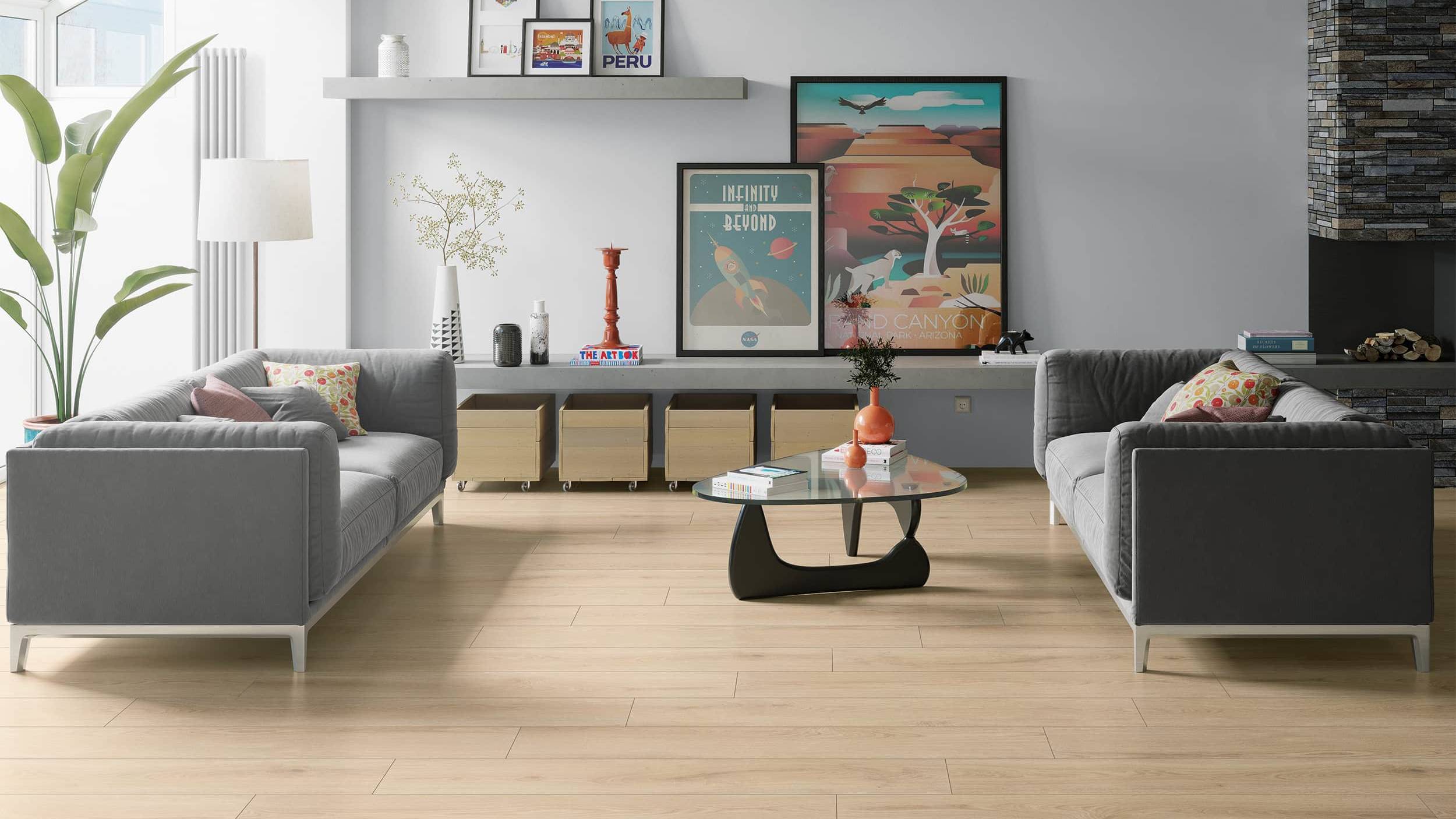
Ripley Collection
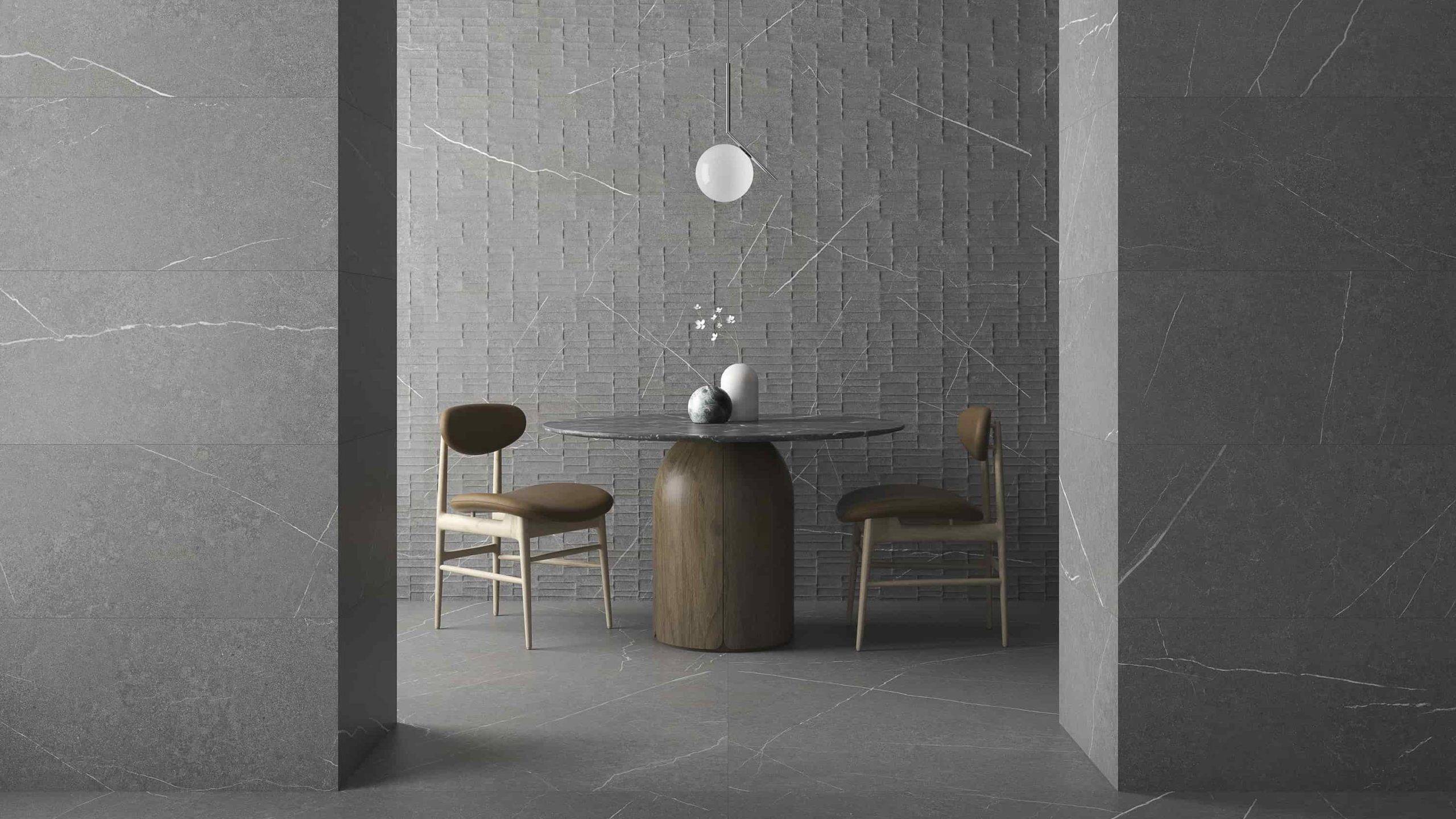
Capri Collection
Size, Format, and Design Considerations
When selecting porcelain tiles, size and format are crucial elements that can dramatically influence both the aesthetic appeal and functionality of a space. Different sizes can create various visual effects and impacts on the overall design.
Exploring Tile Sizes
Porcelain tiles come in a wide array of sizes, ranging from small mosaic pieces to extra-large slabs. The size you choose can influence how a room feels. Larger tiles tend to create a more open and continuous look, while smaller tiles introduce pattern, detail, and texture.
-
XXL Tiles: Extra-large slabs—often 63” x 63” or larger—offer a dramatic, continuous appearance with minimal grout lines. Ideal for modern floors, walls, and even countertops.
-
Large-Format Tiles: Typically 24” x 48” and up, these tiles reduce grout visibility and create a seamless, contemporary look for floors and walls.
-
Standard Sizes: Common field sizes, such as 12” x 24”, offer versatility for a wide range of applications in both residential and commercial spaces.
-
Mosaics: Smaller tiles—often 2” x 2” or less—are excellent for detailed designs and are frequently used for backsplashes and showers.
Tile Formats to Consider
Porcelain tiles also differ in format, including shapes and surface finishes. Each format offers distinct style options and functionality.
- Rectangular Tiles: These provide a contemporary look and can be laid in various patterns, such as herringbone or staggered layouts.
- Square Tiles: A classic choice, square tiles can be arranged in a grid pattern or creatively combined with rectangular tiles for a unique design.
- Plank Tiles: Resembling hardwood, these elongated tiles are increasingly popular for achieving a warm, natural aesthetic while enjoying the durability of porcelain.
Design Considerations
Selecting the right design involves more than just picking a color. A comprehensive understanding of how different patterns and colors interact within a space can elevate the overall design.
- Color Palette: Neutral tones offer a timeless backdrop, while bolder choices can act as focal points. Trends in color should be aligned with the existing decor and lighting.
- Finish Options: Glossy tiles are excellent for reflecting light, making a space appear brighter, while matte finishes provide a more understated elegance and offer better slip resistance.
- Pattern Coordination: Mixing and matching tile patterns can create visual interest. Consider complementary designs to achieve a cohesive look while maintaining uniqueness.
Evaluating size, format, and design is essential for maximizing the potential of porcelain tiles. Thoughtful selection will not only enhance the visual aspects of any room but also ensure practical benefits that align with the homeowner’s lifestyle and aesthetic preferences.
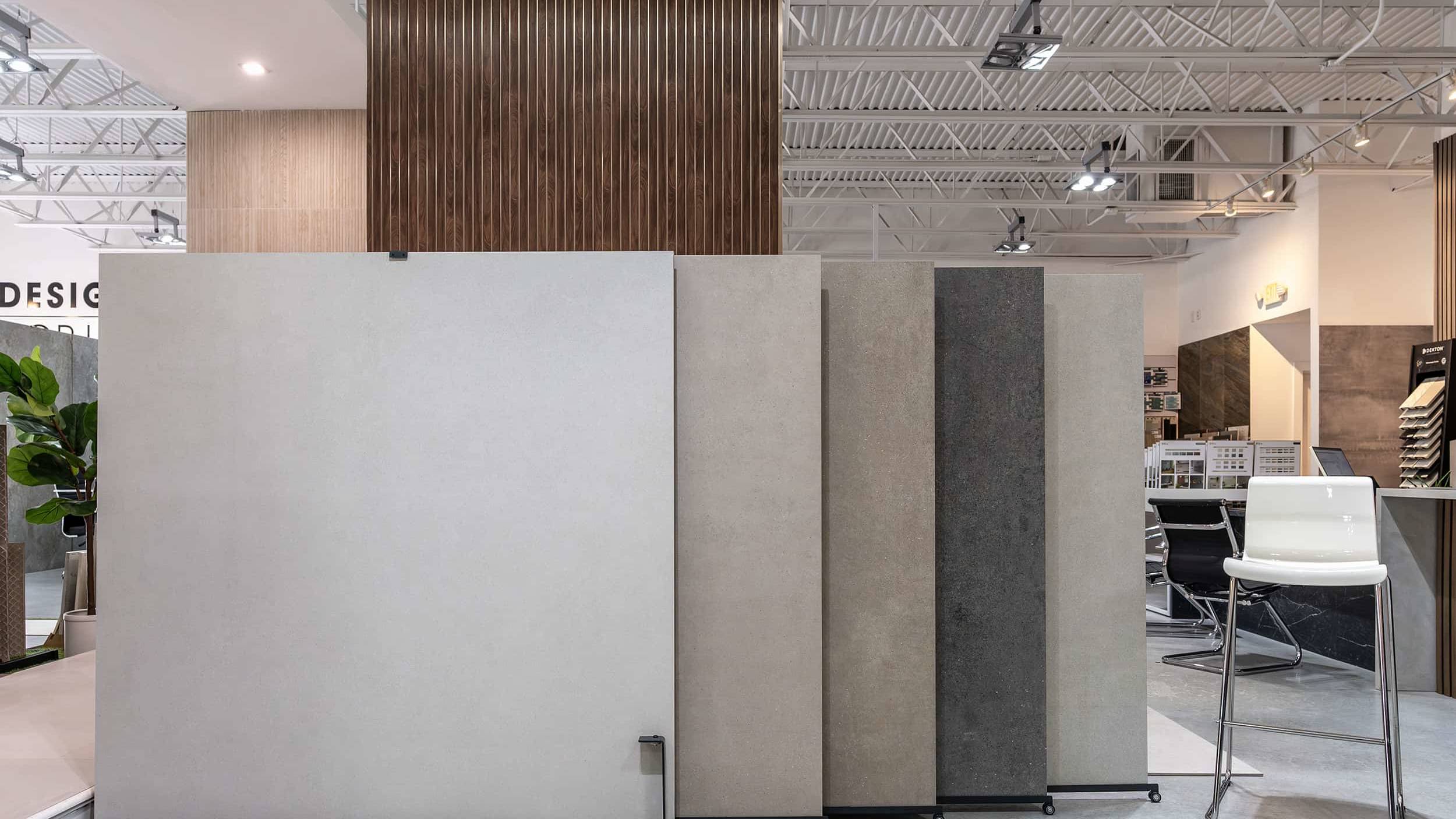
63 x 63 Inches Tiles / Prosein Tiles Aventura
Porcelain Tiles Buying Tips
- Compare Prices: It is beneficial to compare prices across different sources. This ensures that the best deal is obtained without compromising quality.
- Check for Discounts: Look for seasonal sales and discounts, which can significantly reduce costs.
- Order Samples: Before making a large purchase, ordering a sample can help assess color and texture in the intended setting.
- Assess Quality: Look for reputable brands known for their porcelain tiles. Quality standards affect durability and performance.
- Consult Professionals: Seeking advice from contractors or interior designers can help in selecting the right tile and quantity needed.
Ready to Transform Your Home?
Don’t leave your renovation to chance. Visit the Prosein Tiles website today to explore their exquisite tile collections. Better yet, step into a Prosein Tiles showrooms to experience the quality firsthand and consult with a tile expert to bring your dream design to life!