


Choosing the best tiles for bathroom walls is a crucial, foundational step in any bathroom renovation or new construction project. This selection goes far beyond mere necessity; the right choice can profoundly transform a purely functional space into a personal sanctuary, a true reflection of the homeowner’s style and comfort.
Beyond immediate aesthetics, the long-term functionality, safety, and durability of the chosen tile for bathrooms are absolutely paramount. This is especially true given the constant exposure to moisture, humidity, and temperature fluctuations inherent in a bathroom environment. A poor choice can lead to maintenance nightmares, mold issues, and premature replacement.
This comprehensive guide is designed to walk you through the essential tips for selecting the perfect tiles for bathroom walls. We will focus specifically on porcelain tiles, which are widely recognized as the superior material choice for this demanding application due to their low porosity, high density, and exceptional durability.
The guide will also include a deep dive into modern design trends, such as the use of large format tiles and textured finishes, and will detail the numerous benefits of incorporating porcelain slabs (often referred to as gauged porcelain tile panels) into your design for a seamless, ultra-modern look.
When you’re ready to finalize your design and make your purchase, remember that securing high-quality materials is as important as the design itself.
Therefore, it is essential to visit a reputable tiles store, such as Prosein, to explore their extensive collection and find the best, most durable options to bring your vision to life.
This a good reason to choose the best tiles for bathroom walls.
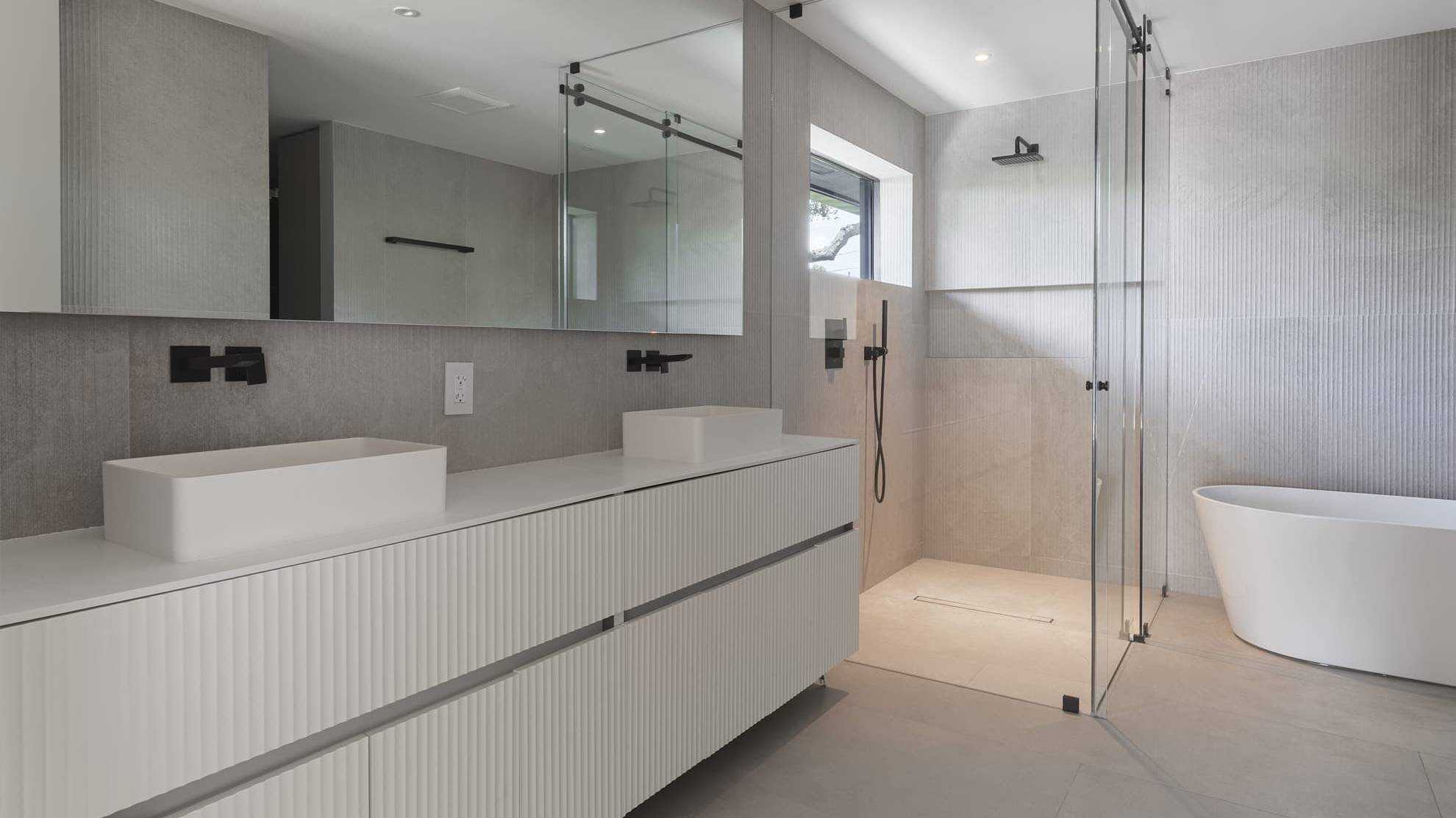
Special Design Tiles
The Aesthetic Angle: Choosing Tiles That Speak to Your Style
When you start to explore the vast world of tiles for bathroom walls, the first consideration is always the look and feel you want to achieve. Porcelain’s incredible versatility is a major advantage here, as it can be manufactured to convincingly replicate a wide range of materials. Here are some key tips to guide your aesthetic choices:
-
Mimicking Natural Materials:
One of the greatest strengths of modern porcelain is its ability to imitate the beauty of nature without the maintenance headaches.
-
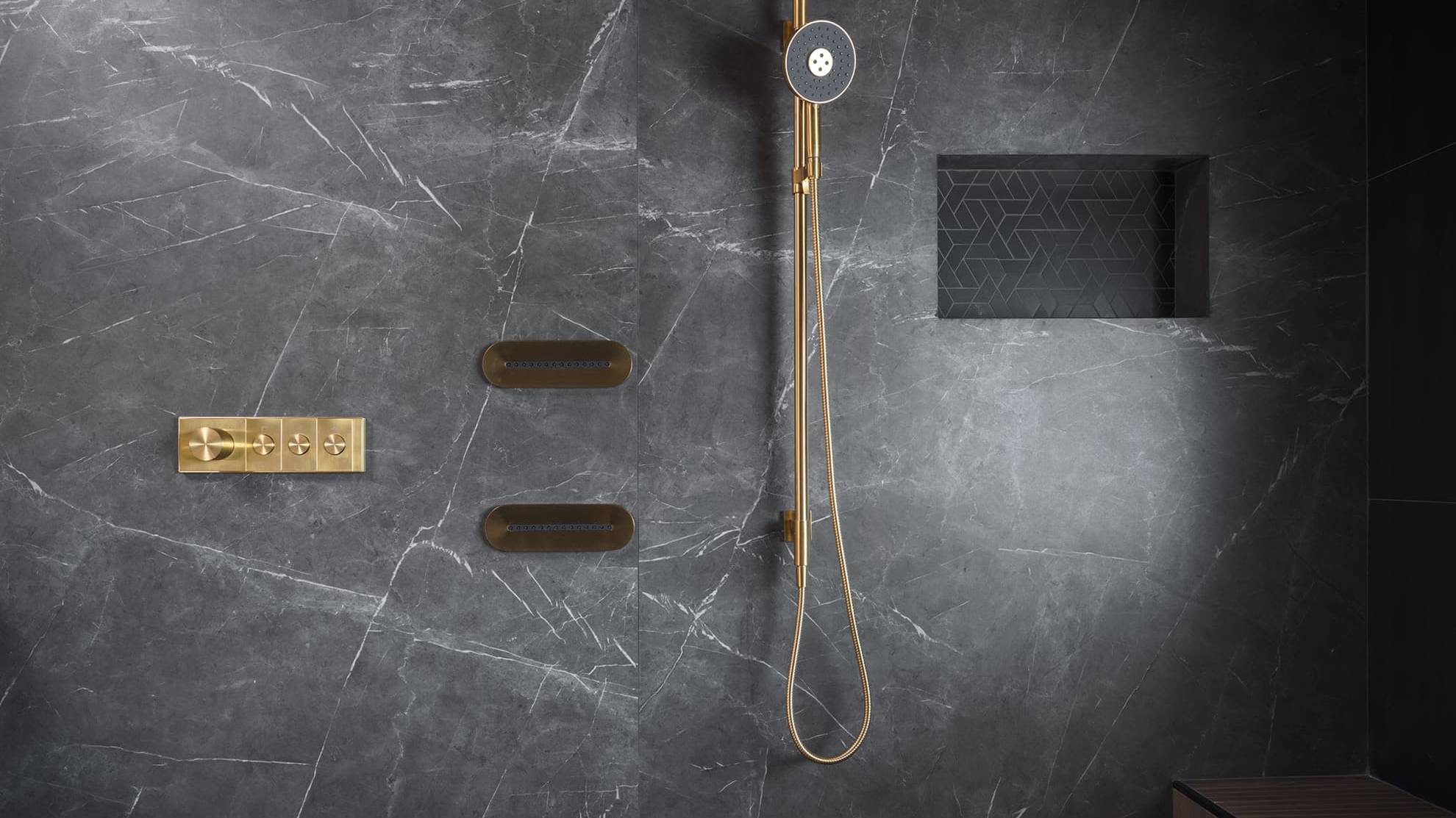
- Marble and Stone: You can achieve the timeless elegance of marble with its rich veining or the rustic charm of natural stone without the high cost, weight, or porosity of the real thing.
- Wood: For a warm, inviting atmosphere, porcelain tiles can flawlessly mimic the texture and grain of wood, providing all the beauty of timber in a moisture-resistant form.
- Concrete: For a sleek, industrial, and minimalist look, concrete-effect porcelain tiles are an excellent choice, adding a modern urban edge to your bathroom.
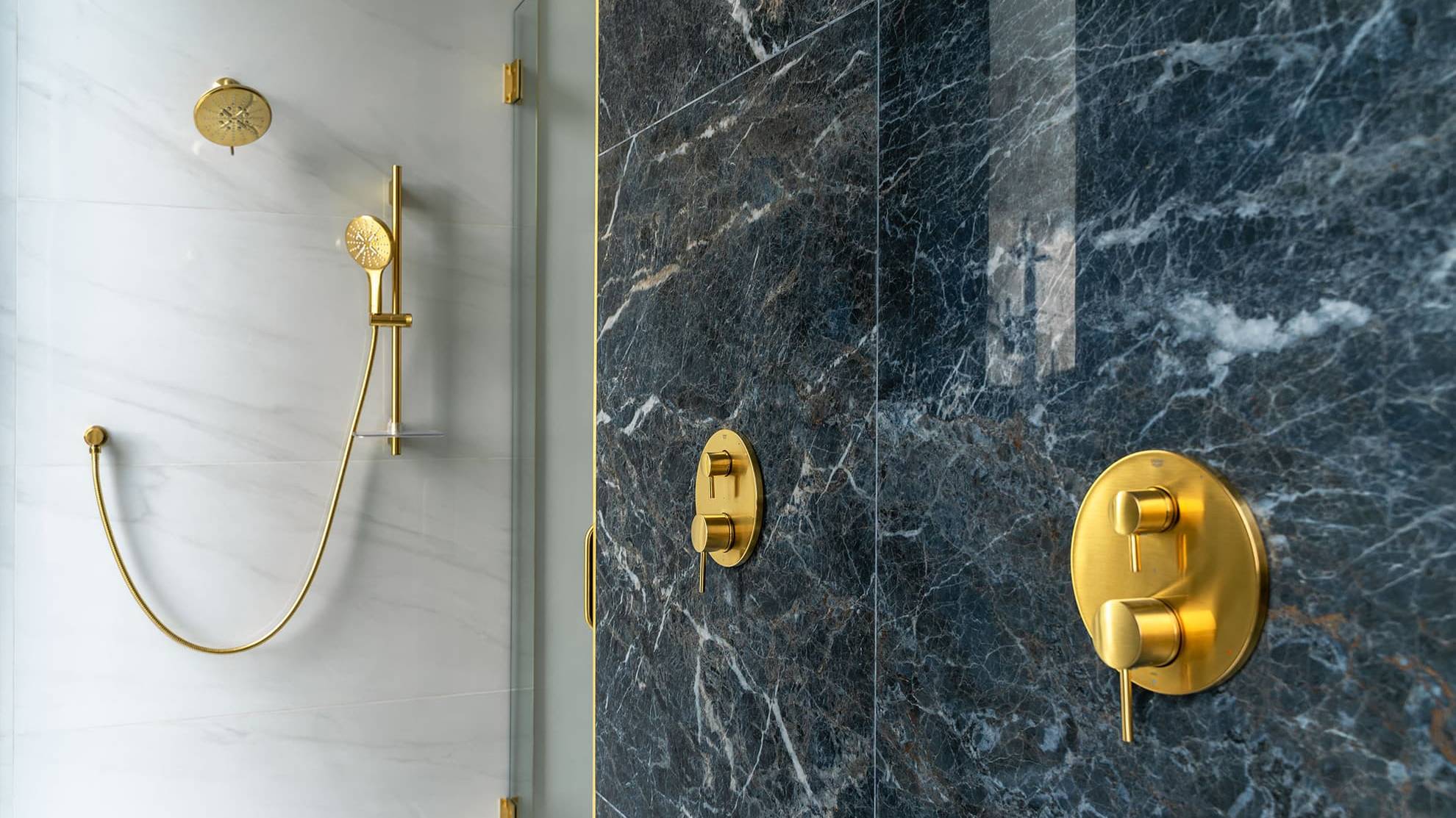
Marble-Look Tiles
Wood-Look Tiles
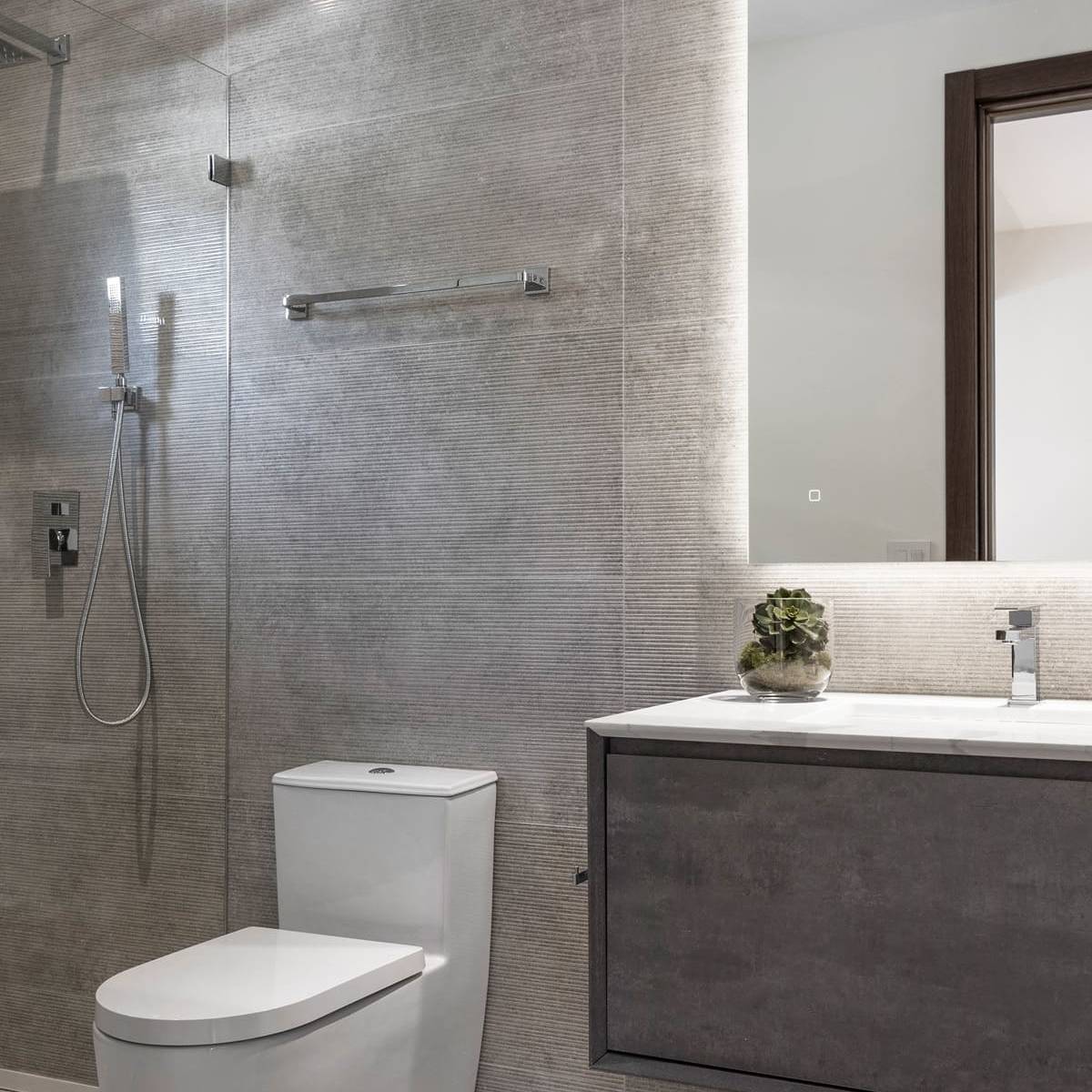
Concrete-Look Tiles
-
Tile Size and Layout:
The size of your bathroom tile is a pivotal design decision that dramatically influences the final aesthetic and feel of the space. A major contemporary trend involves the use of large-format porcelain slabs. These substantial tiles for bathroom walls, sometimes measuring several feet in dimension, are favoured for their ability to create a sleek, seamless, and almost monolithic appearance.
By minimizing the number of grout lines, they lend a sophisticated, clean, and expansive look, which is particularly effective in modern and minimalist designs, and can even make a smaller bathroom feel larger.
For a more traditional or universally appealing aesthetic, the subway tile remains a classic and versatile choice. Its enduring popularity stems from its simplicity and adaptability. While traditionally installed in a brick pattern (or running bond), which evokes a vintage charm, modern installations frequently feature vertical stacking or a more complex herringbone layout.
These alternative arrangements allow the same timeless tile to achieve distinct styles, from contemporary chic to art deco-inspired dynamism. Subway tiles are typically ceramic or porcelain, but can also be found in glass or natural stone for added variation.
Alternatively, to introduce intricate visual interest, mosaics are an excellent option. These small, often detailed tiles—whether composed of glass, natural stone, porcelain, or a mix of materials—are superb for adding texture, depth, and detail. They are commonly employed for accent walls, particularly behind a vanity or within a shower niche or shower floor, where their smaller scale is ideal for negotiating the slope to the drain. Mosaics can range from simple geometric patterns to elaborate artistic designs, serving as a focal point that injects personality and luxury into the bathroom.
Beyond size and pattern, the material itself is crucial. Porcelain and ceramic are the most common due to their durability, water resistance, and ease of maintenance. However, natural stone options like marble, travertine, or slate offer unparalleled luxury and unique veining, though they often require more maintenance and sealing. Glass tiles provide a translucent, light-reflecting quality that can brighten a space.
Ultimately, the best design choice is supported by selection. A reputable tiles store will not only offer a wide variety of sizes and patterns—from polished large formats to rustic mosaics—but also expert guidance on materials and installation techniques to ensure the final product perfectly aligns with your specific design vision and functional requirements. Consideration must also be given to the texture (smooth vs. textured), which impacts slip resistance, especially on the floor.
Marble-Look Slab / Designed by Rosario Esperante Design Studio
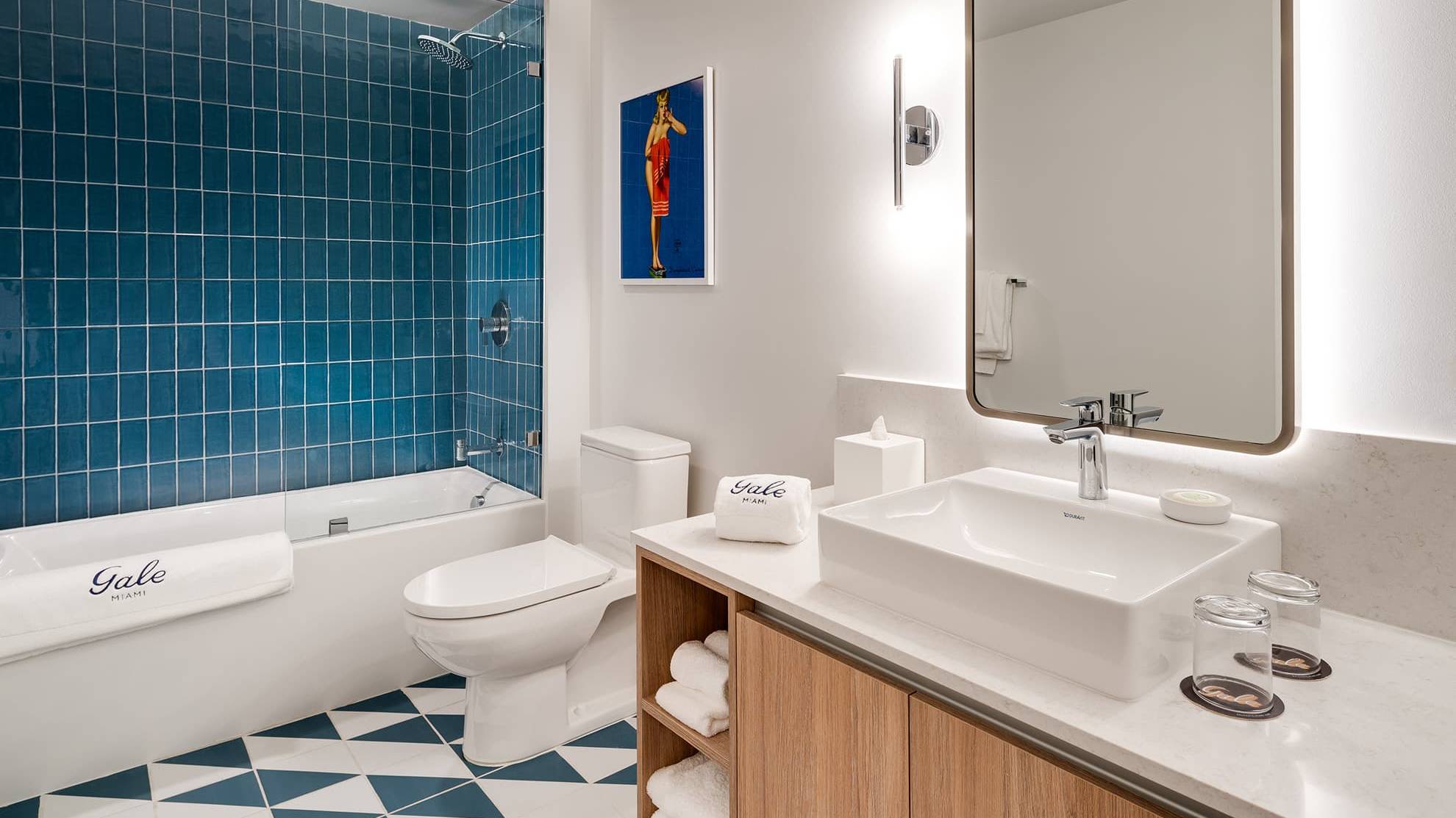
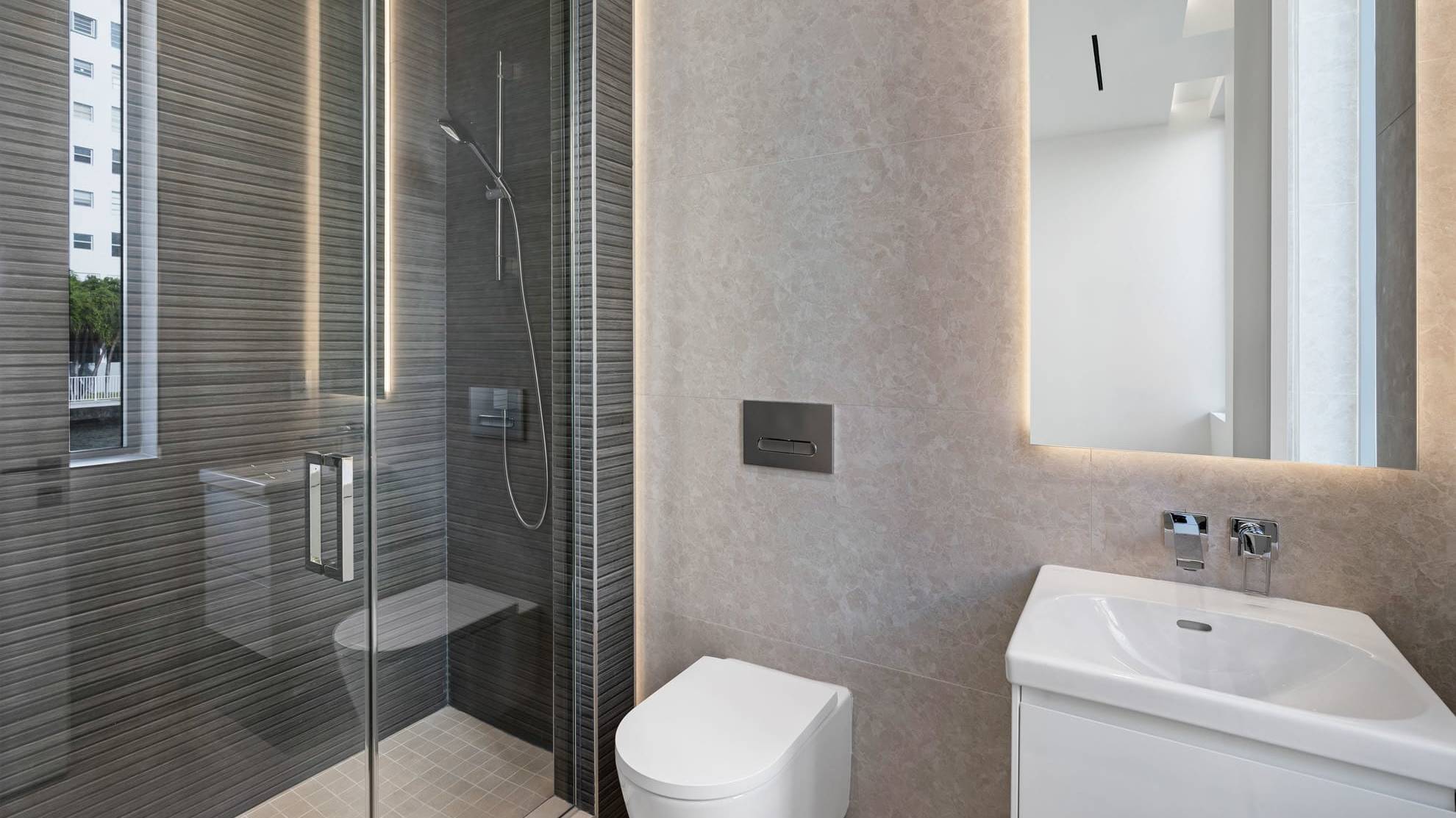
Gales Hotels & Natiivo Condo
-
The Matte vs. Glossy Debate:
The finish of your tiles for bathroom walls can dramatically alter the feel of the space.
-
- Glossy Tiles: These have a reflective surface that bounces light around the room, making it feel brighter and more open. They are easy to clean, but water spots and fingerprints can be more visible.
- Matte Tiles: These have a non-reflective, sophisticated finish. They are excellent for creating a calming, spa-like atmosphere and are great at hiding smudges and watermarks.
The Practical Angle: Resistance to Moisture and Wear
While aesthetics are important, the practicality of your chosen tile for bathroom is what ensures its longevity. Choosing porcelain is a smart move, as it’s known for its low porosity and high durability.
-
- Porcelain Slabs: For the ultimate in modern luxury and functionality, consider porcelain slabs. These large-format tiles, often measuring 120″ x 60″ or larger, are a game-changer. They are perfect for creating a seamless, grout-free shower surround or a dramatic feature wall. Their non-porous nature makes them highly resistant to water, stains, and bacteria, making them a hygienic and low-maintenance choice. They are an investment that pays off in both style and durability.
- Low Porosity: Porcelain has an extremely low water absorption rate, typically less than 0.5%. This makes it an ideal material for bathroom walls, as it prevents water from seeping through, which can lead to mold and mildew growth.
- Durability and Longevity: Porcelain is a hard, dense material that is resistant to scratches and chips, ensuring your tiles for bathroom walls will look great for years to come. This makes it a smart, long-term investment.
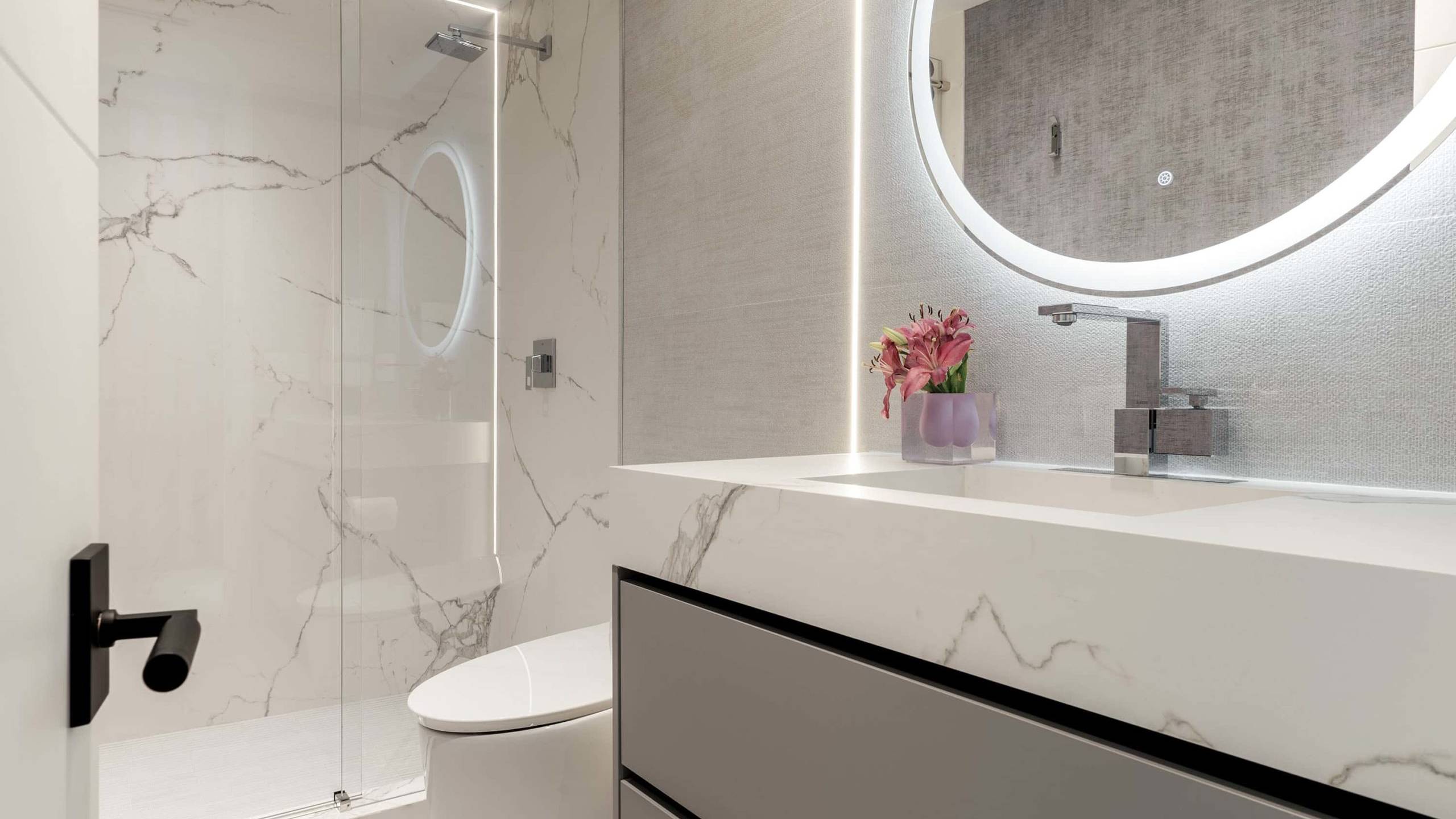
Marble-Look Slab / Designed by Rosario Esperante Design Studio
Modern Trends in Bathroom Tile Design
The world of bathroom design is constantly evolving, and a great tile store will showcase the latest trends. Here’s what’s currently popular:
- Minimalist & Seamless: Large-format porcelain tiles and slabs that minimize grout lines are a top trend. This creates a clean, sophisticated, and minimalist aesthetic.
- Biophilic Design: Bringing the outdoors in with tiles that mimic natural materials like wood, marble, or stone. Porcelain tiles are perfect for this, as they can realistically replicate these textures without the maintenance challenges of the real thing.
- Textural Tiles: Tiles with three-dimensional patterns or subtle textures are becoming more popular, adding depth and visual interest to a space.
When you’re ready to start your project, visiting a knowledgeable tiles store is the best way to see and feel the different options. The right tile for bathroom walls should not only reflect your personal style but also meet the practical demands of a high-moisture environment. By considering both the aesthetic appeal and the functional properties, you can select the perfect tiles for bathroom walls that will provide beauty and durability for years to come.