


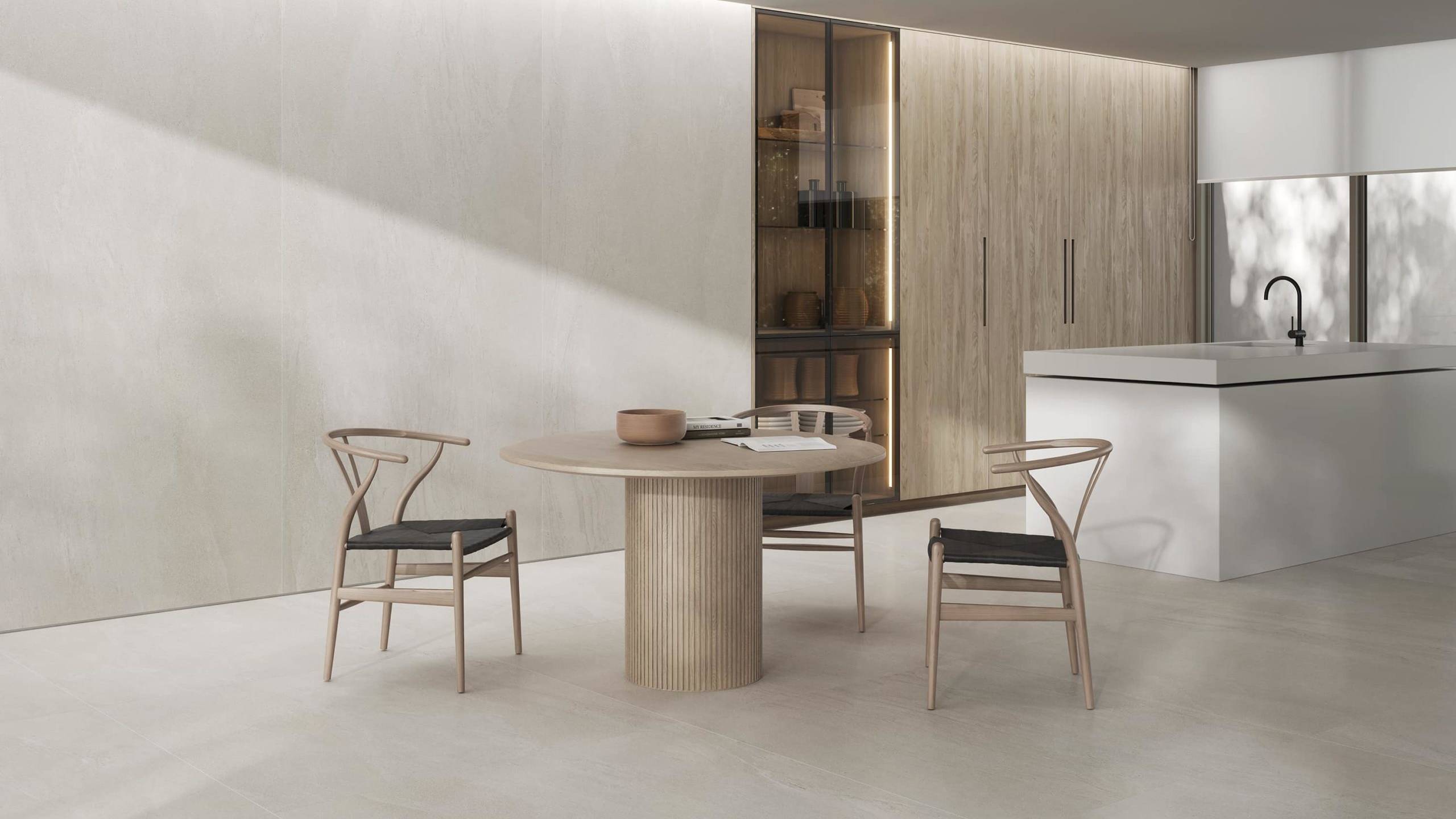
The Bela Collection
When choosing the perfect surface for your home, the term wall and floor tile often appears as a single category, but understanding the difference between wall tile and floor tile is crucial for a successful renovation. While they may look identical at a glance, the primary difference lies in their technical specifications: floor tiles are engineered to withstand weight, impact, and abrasion, whereas wall tiles are generally thinner, lighter, and prioritize aesthetic versatility over structural load-bearing capacity.
Porcelain is a top choice for both applications because it is fired at temperatures exceeding 1,200°C, creating a remarkably dense and water-resistant product. Whether you are considering wall tiles vs floor tiles, the decision often comes down to the “COF” (Coefficient of Friction) and the PEI rating, which dictates where the tile can safely be installed without risking cracks or slips.
Understanding the Technical Makeup of Wall and Floor Surfaces
The manufacturing process determines the ultimate utility of a tile. Most high-quality wall and floor tile options found in professional stores are composed of kaolin clay, feldspar, and silica. However, the density achieved during the pressing and firing stages dictates whether a tile can handle the “heavy foot traffic” typical of a living room floor or if it should remain a decorative element on a kitchen backsplash.
The Role of Density and Water Resistance
One of the key features of porcelain is its low porosity. This low porosity enhances resistance to moisture and stains, which is vital for any wall and floor application in wet environments like bathrooms. However, floor tiles must be denser to prevent liquids from penetrating the surface under pressure, reducing the risk of structural damage over time.
Strength and Impact Resistance
Floor tiles are specifically designed to resist scratching and chipping. Unlike softer materials, a true floor-grade porcelain tile maintains its integrity even under the daily wear and tear of a busy household. Wall tiles, being thinner, do not require this level of toughness and would likely crack if installed under heavy furniture or in high-traffic hallways.
Large Format vs. Standard Tiles: Does Size Change the Rules?
In recent years, large format tiles have become a staple in modern design. These tiles offer a sleek, minimalist look by reducing the number of visible grout lines. When comparing wall tiles vs floor tiles in large formats, the weight of the tile becomes a significant factor for wall installations, requiring specialized adhesives to ensure they don’t slip during the setting process.
Benefits of Large Format in Modern Design
Large format tiles are excellent for mimicking natural materials like stone or wood. Because they cover more surface area, the intricate grain patterns and textures look more authentic and continuous. This versatility allows for seamless integration into various design schemes, from rustic to contemporary minimalist.
Maintenance and Longevity
Both standard and large format porcelain tiles offer straightforward maintenance. Basic household cleaners and a damp mop are usually sufficient for upkeep. Furthermore, the low porosity of these tiles ensures they do not harbor allergens or bacteria, promoting a healthier living environment regardless of whether they are on the wall or floor.
Choosing Between Wall Tiles vs Floor Tiles for Your Project
The most common question homeowners ask is: “Can I use floor tile on the wall?” The answer is generally yes, provided the wall structure can support the extra weight. However, the reverse—using wall tile on the floor—is almost never recommended due to the lack of slip resistance and durability.
Practical Applications in the Home
- Kitchens and Bathrooms: Moisture resistance is the priority here. Porcelain’s ability to endure wet environments makes it the ideal wall and floor tile choice for these spaces.
- High-Traffic Areas: For hallways and living rooms, the focus shifts to durability and the ability to withstand heavy foot traffic.
- Backsplashes and Countertops: This is where design versatility shines, allowing for porcelain that mimics wood or stone to provide aesthetic appeal without the high maintenance of natural materials.
Sustainability and Environmental Impact
Modern porcelain tiles are an eco-friendly choice. Made from natural materials with minimal environmental impact, many manufacturers now use recycled materials in their production cycles. Choosing a durable tile with a long lifespan reduces the frequency of replacements, further lowering your home’s ecological footprint.
Frequently Asked Questions (FAQ)
- What is the main difference between wall tile and floor tile? The primary difference between wall tile and floor tile is the durability and slip resistance. Floor tiles are thicker and harder to resist impact and wear, while wall tiles are lighter and more decorative.
- Can I use wall tiles on my bathroom floor? No. Wall tiles are generally too thin and brittle for floor use. They also lack the necessary slip resistance, making them dangerous in wet areas.
- Is it okay to put floor tiles on the walls? Yes, this is a common design choice. However, because floor tiles are heavier, you must ensure the wall is structurally sound and use the correct adhesive.
- Why is porcelain better for wall and floor applications? Porcelain is fired at higher temperatures than regular ceramic, making it denser, tougher, and less porous.
- How do I know if a tile is slip-resistant? Look for the COF (Coefficient of Friction) rating. Higher ratings indicate better slip resistance, which is essential for floor tiles in kitchens or bathrooms.
- Are large format tiles harder to maintain? Actually, they are often easier to clean because there are fewer grout lines where dirt and grime can accumulate.
- Do porcelain tiles harbor bacteria? No. Their low porosity ensures they do not harbor bacteria or allergens, making them a hygienic choice for any room.
- Can porcelain tiles mimic wood floors? Yes. Modern manufacturing allows porcelain to replicate the intricate grains of hardwood or the rugged texture of stone with high precision.
- Are tiles an eco-friendly flooring option? Yes, they are made from natural materials and have a very long lifespan, which reduces waste and resource consumption over time.
- What certifications should I look for in sustainable tiles? Look for labels like LEED or GreenGuard, which indicate the product meets strict environmental and indoor air quality standards.
Conclusion: Elevate Your Space with the Right Choice
Whether you are drawn to the expansive beauty of large format surfaces or the classic appeal of standard sizes, understanding the nuances of wall and floor tile is the key to a lasting investment. By prioritizing porcelain for its durability and low maintenance, you ensure that your home remains as functional as it is beautiful.
Are you ready to transform your home? Visit our showrooms today to explore our extensive collection of porcelain tiles and find the perfect match for your next project!
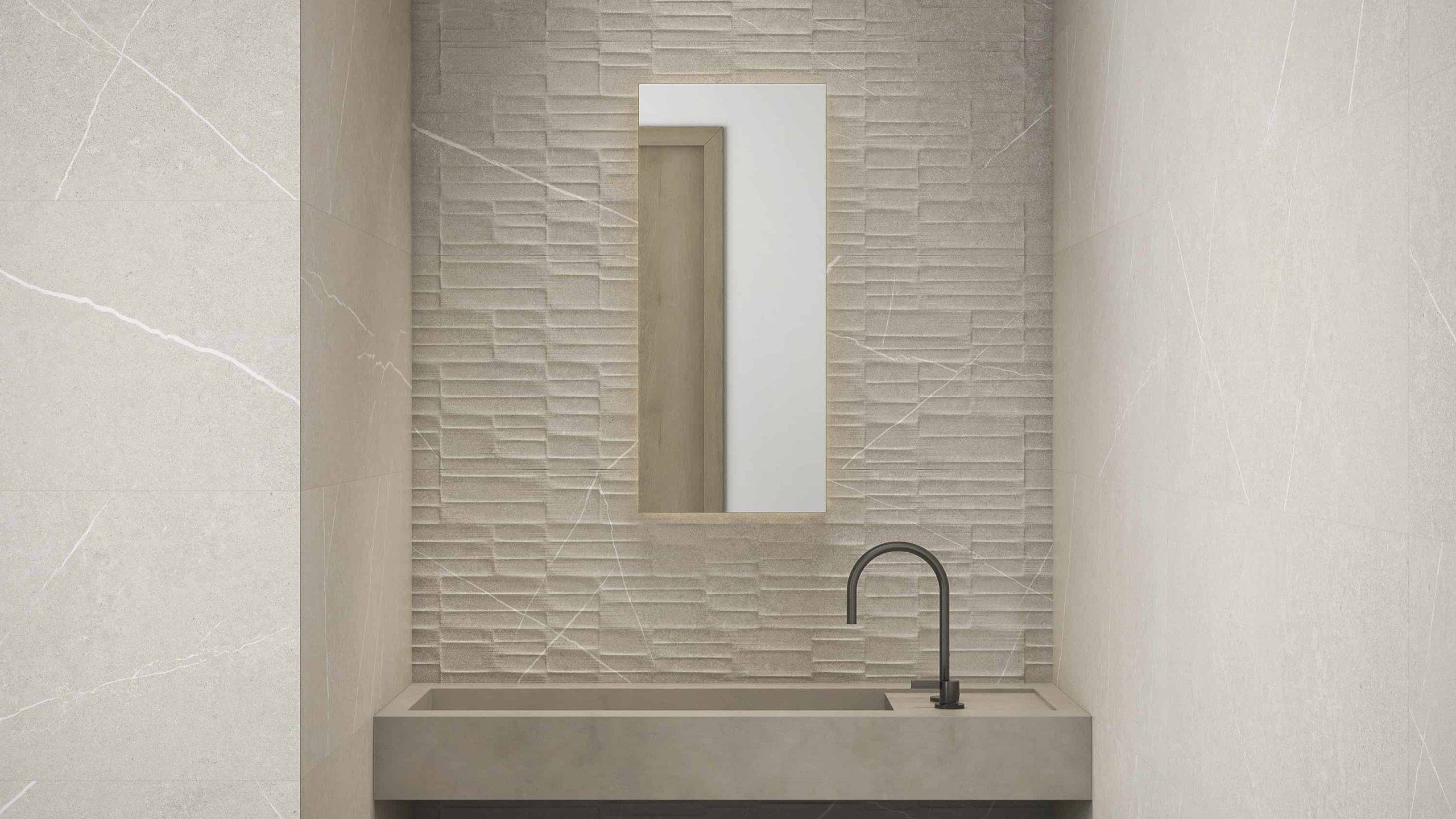
The Capri Collection