


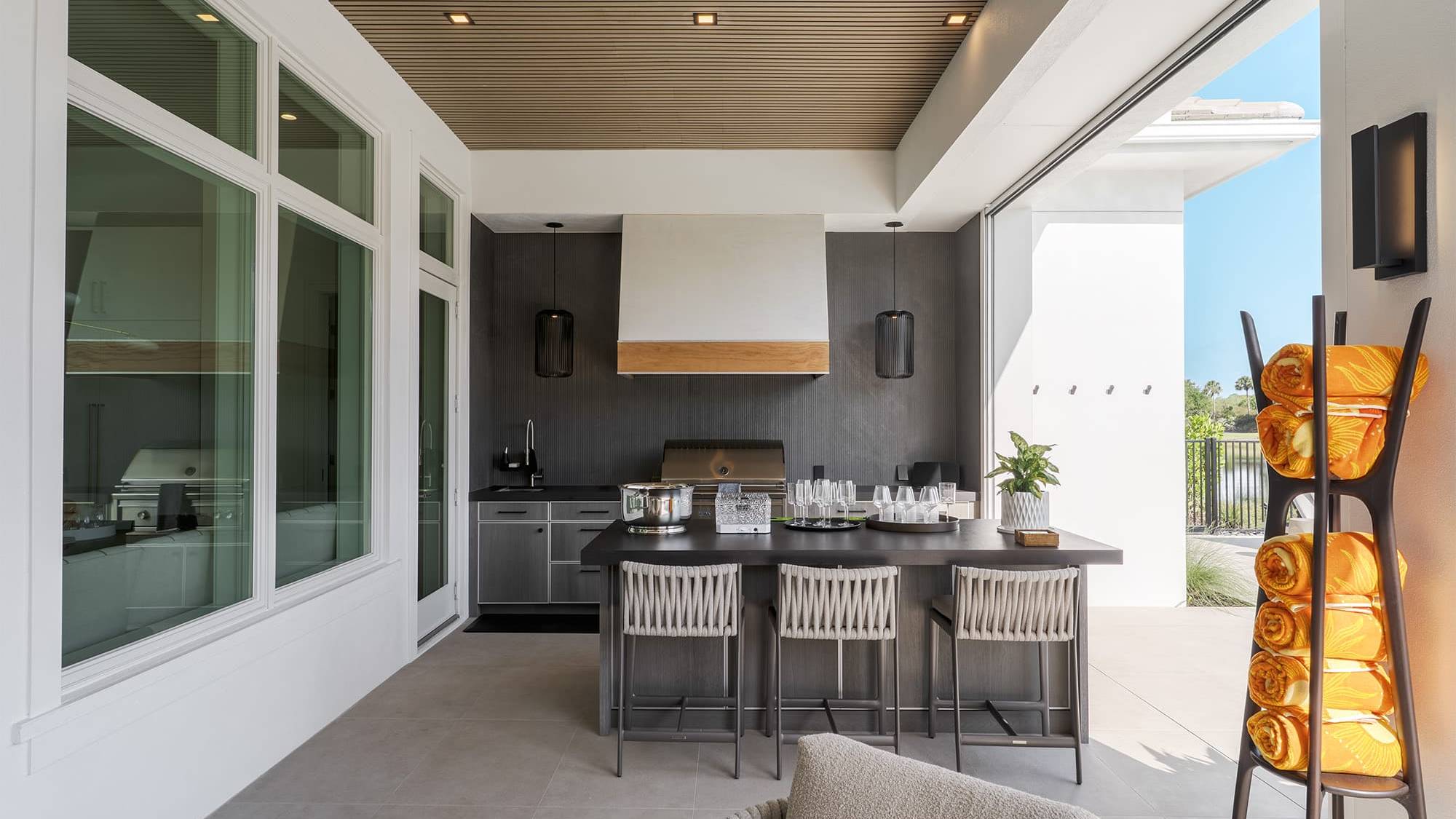
Wall Porcelain Tiles
When it comes to interior design and home renovation, selecting the right material for your walls is just as critical as choosing your flooring. While often associated with high-traffic flooring solutions, Porcelain Tile for Walls has emerged as a premier choice for homeowners and designers alike. Known for its exceptional strength and versatility, porcelain offers a unique blend of practicality and high-end aesthetics.
Porcelain tiles are a type of ceramic tile that is known for their strength, durability, and aesthetic appeal. Whether you are looking to renovate a bathroom, update a kitchen backsplash, or create a stunning accent wall in your living room, understanding the benefits and style options of porcelain is the first step toward a successful project.
In this comprehensive guide, we will explore why Porcelain Tile for Walls remains a top contender in the market and how you can select the perfect finish for your space.
Understanding the Superiority of Porcelain Tile
To appreciate why porcelain is superior to many other wall coverings, one must look at its composition and manufacturing. Composed primarily of kaolin clay along with other natural materials such as feldspar and silica, porcelain tiles undergo a meticulous manufacturing process that results in a dense and water-resistant product2.
The Science of Durability
The robust nature of these tiles is not an accident; it is the result of extreme heat. The initial stage involves the mixing of these raw materials, which is then pressed into shape and subjected to high temperatures during firing.
This firing process typically occurs at temperatures exceeding 1,200 degrees Celsius, imparting significant density and toughness to the porcelain, ultimately making it remarkably resilient compared to regular ceramic wall tile.
Because of this process, the tiles maintain their surface integrity even when subjected to heavy daily wear and tear. While we often think of this durability regarding porcelain tiles for floor applications, this same resilience protects your walls from dings, scratches, and impacts that would damage drywall or paint. One of the remarkable features of porcelain tiles is their inherent resistance to scratching and chipping.
Impervious to Moisture
One of the key features that sets porcelain tiles apart from other tile types is their low porosity. This characteristic is vital for wall applications in wet areas.
The denser composition of these tiles prevents liquids from penetrating the surface, thereby reducing the risk of unsightly stains. This makes Porcelain Tile for Walls an ideal candidate for environments prone to humidity and spills.
Exploring Styles and Finishes: A World of Design
Gone are the days when tile options were limited to plain white squares. The design versatility of porcelain tiles is noteworthy, as they are available in an extensive range of finishes, colors, and patterns. This allows you to buy porcelain tile that fits any aesthetic, from the ultra-modern to the deeply rustic.
The Natural Look: Wood and Stone Effects
One of the remarkable aspects of porcelain tiles is their ability to mimic natural materials such as wood and stone. This is a game-changer for wall design. You can achieve the warm, inviting look of timber or the sophisticated elegance of marble without the maintenance issues associated with those raw materials.
Porcelain tiles can replicate the intricate grain patterns of hardwood or the rugged texture of natural stone, offering a visually striking appearance.
For homeowners who desire the look and feel of these materials without the associated maintenance challenges, porcelain is the perfect solution. Whether emulating natural stone, wood, or featuring vibrant colors and intricate designs, the options are plentiful.
Modern and Minimalist Finishes
If your taste leans toward the contemporary, Porcelain Tile for Walls offers sleek, modern finishes that allow for seamless integration into a home’s overall aesthetic. Large-format porcelain slabs are increasingly popular for creating uninterrupted, monolithic walls that exude luxury. Whether one is aiming for a contemporary minimalist look, a cozy rustic feel, or anything in between, porcelain tiles can adapt accordingly.
Decorative and Textured Options
For those seeking to make a bold statement, decorative wall tiles made of porcelain are available in vast arrays of textures and patterns. From geometric shapes to 3D relief textures that play with light and shadow, these tiles allow homeowners to personalize their spaces to match their unique styles and preferences.
Practical Applications in Your Home
The adaptability in design has solidified porcelain tiles as an enduring favorite among consumers. Their robust nature makes them suitable for a wide array of applications, both in residential and commercial settings.
Transforming the Bathroom
When brainstorming bathroom tile ideas, porcelain should be at the top of your list. Because the tiles are impervious to stains and moisture, they are perfectly suited for shower walls and tub surrounds.
The low porosity of porcelain tiles ensures that they do not harbor bacteria or allergens, promoting a healthier living environment. Using wall tiles for bathroom renovations ensures that the space remains hygienic and easy to clean, preventing mold growth behind the surface.
Elevating the Kitchen
Kitchen wall tiles serve a dual purpose: they protect the walls from grease and splashes while acting as a focal point of the design. This characteristic is especially beneficial in environments prone to spills, such as kitchens.
A porcelain backsplash can withstand the heat from the stove and the chaos of cooking without losing its luster. Homeowners can enjoy peace of mind knowing that their floors (and walls) will remain aesthetically pleasing and functional over time.
Porcelain vs. Ceramic: Making the Right Choice
Shoppers often confuse porcelain tile for walls with standard ceramic wall tile. While they are cousins, they are not twins. Porcelain is technically a type of ceramic, but the firing process makes it distinct. The high firing temperature imparts significant density, making it remarkably resilient compared to regular ceramic tiles.
While standard ceramic wall tile is often easier to cut and slightly cheaper, it is generally more porous and less durable. For areas that see moisture or require a higher-end finish, the extra investment to buy porcelain tile for walls is justified by its longevity. Durability is a crucial consideration, and porcelain tile for walls maintains its integrity over time.
Eco-Friendliness and Sustainability
In today’s market, sustainability is key. Porcelain tiles represent a responsible choice in the context of eco-friendliness and sustainability. Made primarily from natural materials such as clay, feldspar, and quartz, the manufacturing of porcelain tiles involves sourcing substances that have minimal environmental impact.
Long Lifespan Reduces Waste
One of the noteworthy features of porcelain tiles is their long lifespan. Because they are resistant to wear and tear, you won’t need to replace them as often as wallpaper, paint, or vinyl. This longevity results in decreased consumption of materials over time, contributing to a lower environmental impact. Furthermore, many porcelain tiles hold various certifications indicating compliance with sustainable practices, such as LEED (Leadership in Energy and Environmental Design).
Installation and Maintenance Guide
Once you have selected your decorative wall tiles or sleek slabs, maintaining them is incredibly simple. Maintenance of porcelain tiles is straightforward, contributing further to their appeal.
Cleaning and Care
You do not need specialized, expensive chemicals. Cleaning typically requires only basic household cleaners and a damp mop (or cloth for walls), making the upkeep of these tiles both efficient and effective. This ease of care allows for seamless integration into any design scheme without compromising durability.
A Note on Installation
Because porcelain tile for walls is denser than ceramic wall tile, it is heavier and harder to cut. It is often recommended to hire professional installers who have the correct tools to handle the material, especially for large-format Porcelain Tile for Walls.
Where to Buy Porcelain Tile
When you are ready to start your project, visiting a specialized porcelain tiles shop is highly recommended. Porcelain tiles have emerged as a favored option in many tile stores. A dedicated retailer can show you the extensive range of finishes and help you coordinate your kitchen wall tiles with your flooring.
By providing a broad range of looks and functionality, porcelain tiles allow homeowners to achieve their desired interior design without sacrificing quality. Whether you visit a big-box store or a boutique porcelain tiles shop, ensure you check the specifications to confirm the tile is rated for wall use (though almost all floor tiles can be used on walls).
In summary, the aesthetic appeal and versatility of porcelain tiles position them as a prominent choice among consumers. When you decide to buy porcelain tile for walls, you are investing in a product that blends art with engineering, ensuring your home looks beautiful for decades to come.
Frequently Asked Questions (FAQ)
1. Is porcelain tile too heavy for walls?
While porcelain is denser and heavier than standard ceramic wall tile, it is perfectly safe for walls when installed correctly. Wall substrates (like cement board) and modern adhesives are designed to support the weight of Porcelain Tile for Walls. However, for very large-format tiles, mechanical clips or specific installation techniques may be required.
2. Can I use the same porcelain tiles for floor and walls?
Yes, this is a popular design trend known as “floor-to-wall” tiling. It creates a seamless, expansive look. Since porcelain tiles for floor applications are designed to withstand heavy foot traffic and are scratch-resistant, they are more than durable enough for vertical applications.
3. Why are porcelain tiles better for bathrooms than other materials?
Porcelain has very low porosity. This makes it highly resistant to moisture and stains, which is crucial for wall tiles for bathroom environments. Additionally, because it doesn’t harbor bacteria, it promotes a healthier, cleaner space compared to porous stone or drywall.
4. How do I clean porcelain wall tiles?
Maintenance is very easy. You generally only need a damp cloth and a basic household cleaner. Unlike natural stone, decorative wall tiles made of porcelain tile for walls do not require sealing and are resistant to staining from soaps or shampoos.
5. Does porcelain tile look like real wood or stone?
Yes. Thanks to advanced manufacturing, porcelain tiles can mimic natural materials like wood and stone with incredible realism. They replicate intricate grain patterns and rugged textures, giving you the aesthetic of natural materials with the superior durability of porcelain.
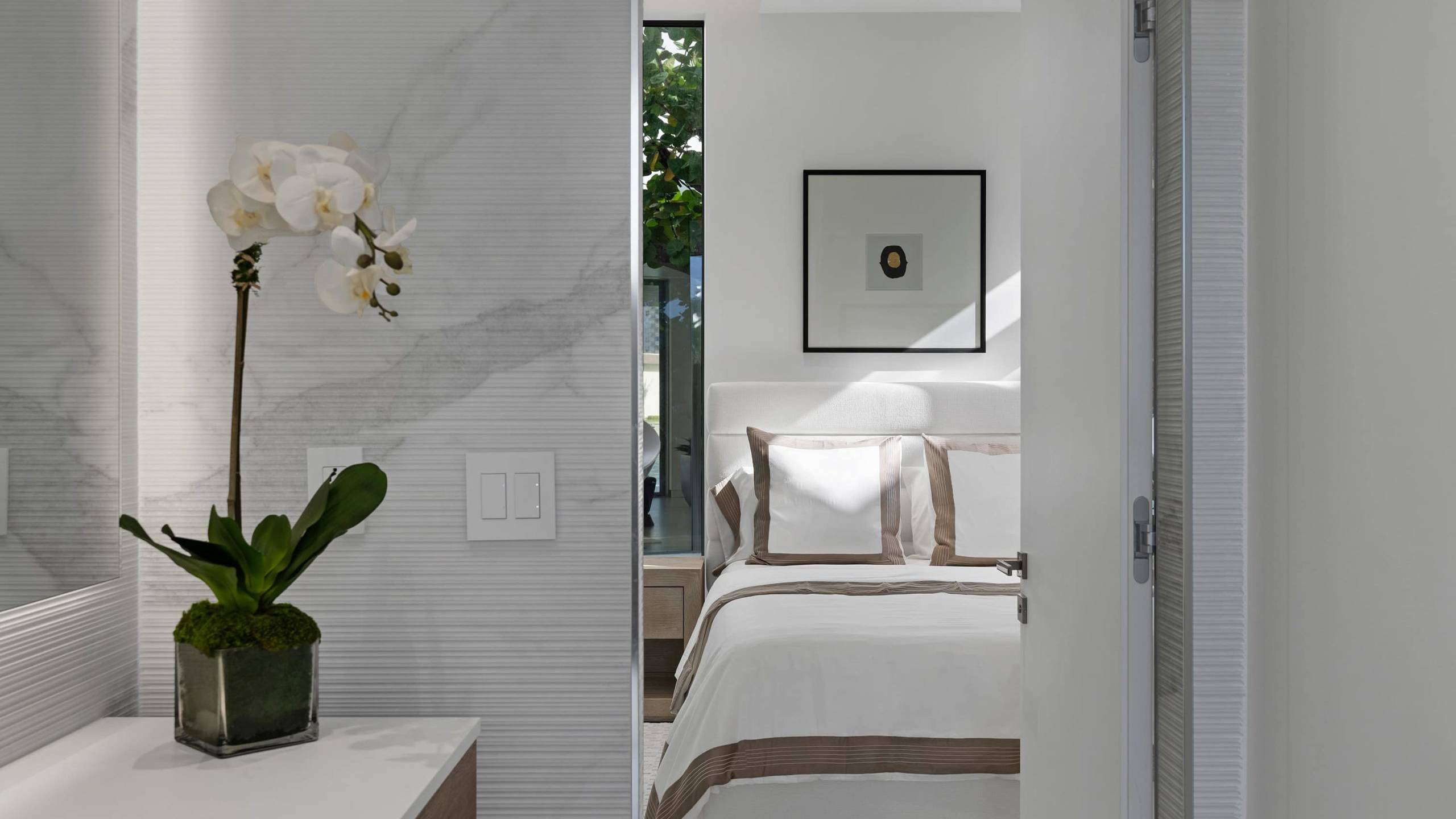
Wall Tiles