


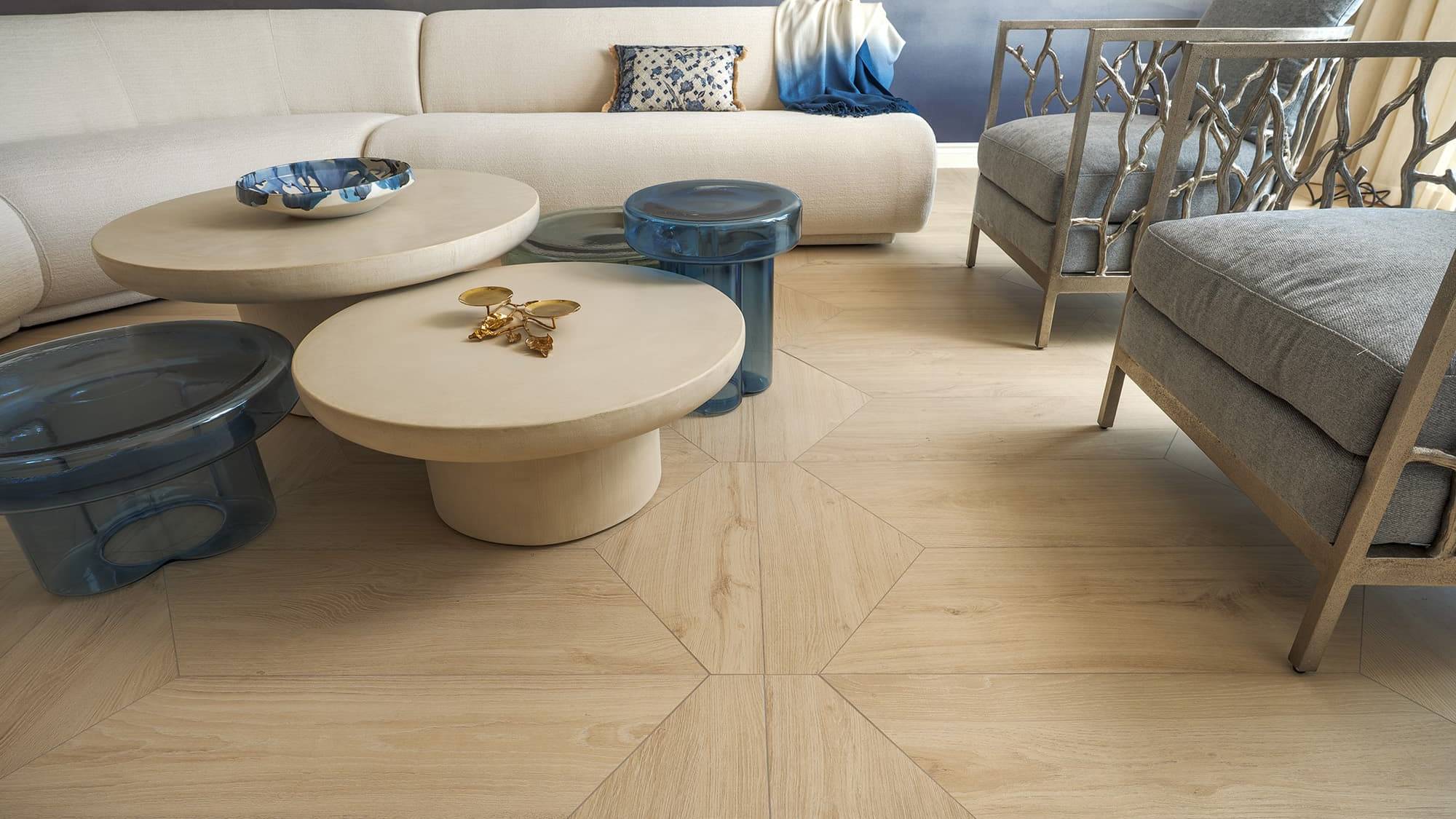
Wood Look Tile
When embarking on a renovation or building a new property, the foundation of your interior aesthetic rests heavily on one crucial element: the flooring. While wall colors can change and furniture can be rearranged, flooring is a permanent fixture that dictates the flow, feel, and functionality of a space. This is where the importance of quality floor tile becomes undeniable.
In the realm of home designs, tiles offer a unique blend of permanence and style. Whether you are crafting a sprawling contemporary estate or optimizing small home designs and plans, the durability and visual versatility of your flooring choice will determine the longevity of your investment.
This guide explores why high-grade tiles are the superior choice for enduring architecture and how to integrate them into various design schemas, from modern home designs to compact living spaces.
Understanding the Anatomy of Quality Floor Tile
To appreciate the role of quality floor tile, one must first understand what sets superior materials apart. In the current market, porcelain tiles have emerged as a top choice for both resilience and beauty.
The Manufacturing Edge
The difference between a standard tile and a high-quality porcelain tile lies in the manufacturing process. Porcelain is composed primarily of kaolin clay, mixed with other natural materials like feldspar and silica. The magic happens during the firing process. These raw materials are pressed into shape and subjected to extreme heat, typically exceeding 1,200°C (approx. 2,200°F).
This intense thermal processing imparts significant density and toughness to the porcelain, making it remarkably resilient compared to regular ceramic options. When you invest in quality floor tile, you are essentially buying a material that has been engineered to withstand the test of time.
Low Porosity and Durability
A defining feature of quality porcelain is its low porosity. This is a critical factor for home designs that prioritize hygiene and low maintenance. The dense composition prevents liquids from penetrating the surface, effectively reducing the risk of unsightly stains that often plague other flooring options.
For homeowners, this means that whether you spill red wine in the living room or splash water in the bathroom, the floor maintains its integrity.
Porcelain vs. Ceramic: Making the Right Choice
When browsing materials, you will often face the decision between ceramic floor tile and porcelain. While both are excellent choices, understanding their distinct properties is key to a long-lasting installation.
When to Buy Porcelain Tile
If your goal is maximum durability, particularly in high-traffic areas, the decision to buy porcelain tile is often the wisest investment. Because porcelain is denser and more water-resistant, it resists scratching and chipping better than softer materials.
This makes it the ideal candidate for entryways, kitchens, and hallways where heavy foot traffic is a daily occurrence.
Furthermore, for those interested in modern home designs that flow seamlessly from indoor to outdoor spaces, porcelain’s resistance to environmental conditions makes it a superior option.
The Role of Ceramic Floor Tile
Ceramic floor tile remains a staple in the industry and can be a fantastic choice for areas with less foot traffic or for wall applications. While generally softer than porcelain, quality ceramic tiles still offer substantial durability and aesthetic appeal.
However, for flooring that needs to survive decades of wear and tear, the technical superiority of porcelain—specifically its resistance to physical damage—often gives it the edge in quality floor tile discussions.
Integrating Tiles into Modern Home Designs
Modern home designs often favor clean lines, open concepts, and a seamless visual flow. Quality floor tile plays a pivotal role in achieving this aesthetic.
Aesthetic Versatility
Gone are the days when tiles were limited to cold, sterile squares. Today, porcelain tiles are available in an extensive range of finishes, colors, and patterns, allowing designers to create customized looks. One of the most significant trends in modern home designs is the use of tiles that mimic natural materials.
Porcelain tiles can replicate the intricate grain patterns of hardwood or the rugged texture of natural stone. This allows homeowners to achieve the warm look of wood or the elegance of marble without the associated maintenance challenges, such as sealing or sanding. This adaptability has solidified porcelain as an enduring favorite among designers looking to blend aesthetics with functionality.
The Minimalist Approach
For a sleek, minimalist look, large-format tiles are essential. They reduce the number of grout lines, creating a continuous surface that makes a room feel expansive. This is particularly effective when you buy porcelain tile with a rectified edge, allowing for minimal grout width. The result is a clean, uninterrupted floor that serves as the perfect canvas for modern furniture and decor.
Strategic Applications: Bathroom Floor Tiles
Perhaps no room demands more from its flooring than the bathroom. It is a wet environment prone to humidity, spills, and temperature fluctuations. Consequently, selecting the right bathroom floor tiles is not just a design choice; it is a structural necessity.
Impervious to Moisture
The low porosity of quality floor tile, particularly porcelain, ensures it does not harbor bacteria or absorb water. This characteristic is especially beneficial in environments prone to spills. When you select high-density bathroom floor tiles, you are preventing moisture from seeping into the subfloor, which can cause mold and structural damage over time.
Safety and Hygiene
Beyond moisture resistance, hygiene is paramount. Quality floor tile surfaces are easy to clean, typically requiring only basic household cleaners and a damp mop. This ease of maintenance contributes to a healthier living environment, free from allergens. When choosing bathroom floor tiles, textured finishes can also be selected to provide slip resistance, ensuring that safety matches style.
Maximizing Space: Solutions for Small and Tiny Homes
The tiny home movement and the trend toward downsizing have created a need for smarter design solutions. Tiny home design plans and small home designs and plans rely heavily on visual tricks to make limited square footage feel larger.
Flooring Continuity in Small Spaces
In small home designs and plans, chopping up the floor plan with different materials can make the space feel cluttered and smaller. Using a single type of quality floor tile throughout the entire home—from the kitchen to the living area—creates a sense of continuity. This draws the eye across the room without interruption, effectively visually expanding the space.
Large Tiles for Tiny Homes
It may seem counterintuitive, but large tiles work wonders in tiny home design plans. In a small space, thousands of small tiles with heavy grout lines can create “visual noise.” By utilizing a larger format quality floor tile, you reduce visual clutter.
Furthermore, the durability of porcelain is crucial here. In tiny home design plans, every square inch of flooring is “high traffic.” There are no unused corners. Therefore, the resilience of porcelain against wear and tear ensures that the floor maintains its aesthetic quality despite the concentrated usage.
Sustainability: An Eco-Friendly Foundation
In an era where sustainability is central to home designs, quality floor tile offers an eco-conscious advantage.
Natural Composition
Porcelain tiles represent a responsible choice for the environment. They are made primarily from natural materials such as clay, feldspar, and quartz. The use of these natural resources diminishes the need for synthetic alternatives, which often carry a heavier ecological footprint.
Longevity Reducing Waste
The most sustainable product is one you don’t have to replace. The impressive lifespan of porcelain tiles means they reduce the frequency of replacements. This longevity results in decreased consumption of materials over time and minimizes waste generated from discarded flooring. When you buy porcelain tile, you are making a long-term investment that aligns with sustainable living goals.
Conclusion
The role of quality floor tile in architecture extends far beyond a simple surface to walk on. It is a critical component of structural integrity, hygiene, and aesthetic cohesion. From the robust durability required for family living rooms to the moisture resistance needed for bathroom floor tiles, quality porcelain provides a solution that standard materials cannot match.
Whether you are drafting modern home designs, renovating a classic space, or sketching out tiny home design plans, the foundation of your project should be built on quality. By choosing materials that offer resistance to scratching, staining, and moisture, you ensure that your home remains beautiful and functional for decades to come.
Frequently Asked Questions (FAQ)
-
Why is porcelain considered a better option than standard ceramic floor tile for high-traffic areas?
Porcelain is a specific type of ceramic that is fired at much higher temperatures (exceeding 1,200 degrees Celsius). This process makes it significantly denser and less porous than standard ceramic floor tile.
Its robust nature makes it more resistant to scratching, chipping, and heavy foot traffic, making it the preferred choice for busy households and commercial spaces.
-
Can I use the same tiles for my bathroom as my living room?
Yes, utilizing the same quality floor tile throughout the home is a great design strategy, especially in modern home designs. However, when selecting bathroom floor tiles, you must ensure the tile has an appropriate slip-resistance rating. Porcelain’s resistance to moisture makes it excellent for bathrooms, and using it consistently through the home can improve visual flow.
-
I am looking at small home designs and plans; how can tiles help make my space look bigger?
In small home designs and plans, using larger tiles with fewer grout lines creates a less cluttered look, making the floor area appear more expansive. Additionally, using a lighter color palette and maintaining the same flooring across different zones helps reflect light and creates a seamless, open feel.
-
What should I look for when I go to buy porcelain tile?
When you go to buy porcelain tile, look for specifications regarding its PEI rating (which indicates hardness and durability) and its water absorption rate. You want a tile with low porosity for stain resistance. Also, consider the finish—matte, polished, or textured—based on where the tile will be installed (e.g., textured for wet areas).
-
Are quality floor tiles environmentally friendly?
Yes, they are a sustainable choice. Porcelain tiles are made from natural raw materials like clay and silica. Their exceptional durability means they have a long lifespan, reducing the need for frequent replacement and lowering the long-term environmental impact associated with manufacturing and waste.
-
How do porcelain tiles fit into tiny home design plans where weight and thickness matter?
While porcelain is dense, it is available in various thicknesses. Its extreme durability means it can withstand the concentrated wear and tear unique to tiny home design plans better than softer materials like vinyl or wood, which might degrade quickly in such high-use environments.
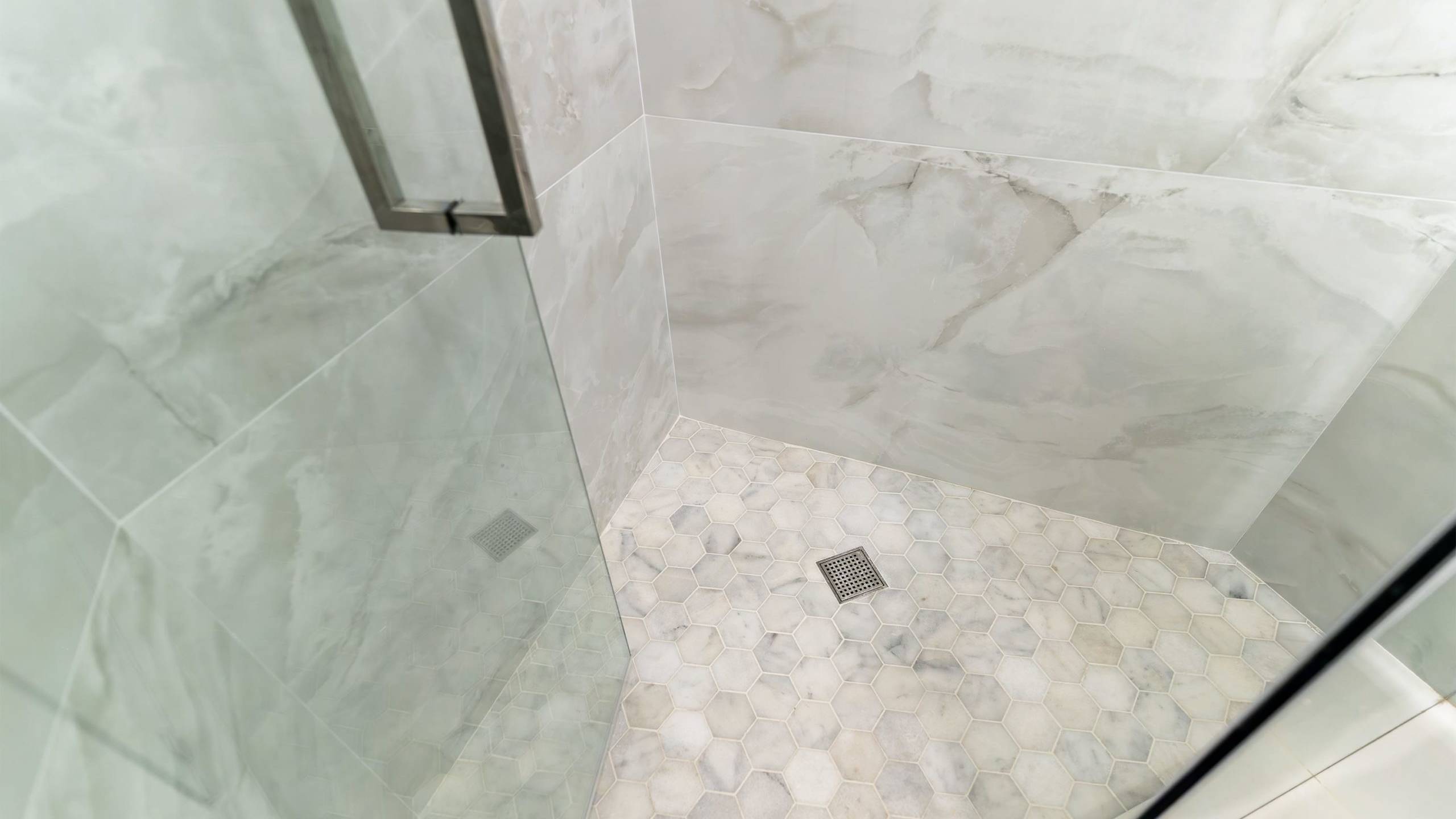
Marble- Look Tile